


2 point seat belts have a simpler design, while 3 point seat belts typically provide more comprehensive occupant protection in a frontal collision. This article will explain in detail the differences between 2 point and 3 point seat belts to help you choose the right seat belt for your project’s needs.
2 point seat belt
A 2 point seat belt, also known as a lap belt, restrains the occupant’s waist or pelvic area at 2 anchor points. The seat belt primarily runs across the occupant’s legs and is secured below the hips or buttocks. In the event of a sudden stop or collision, it keeps the occupant in the seat and prevents the body from being completely thrown from the seat.
3 point seat belt
A 3 point seat belt consists of a lap belt and a diagonal shoulder strap, forming a restraint system through 3 anchor points. The belt passes over the occupant’s hips, shoulder, and chest. Compared to a 2 point seat belt, it adds a shoulder restraint, thereby restraining both the lower and upper body simultaneously.
In an emergency, a 3 point seat belt is more effective at restricting the occupant’s body movement, particularly that of the torso. This design is generally more suitable for vehicles and seating positions that require a higher level of occupant protection.
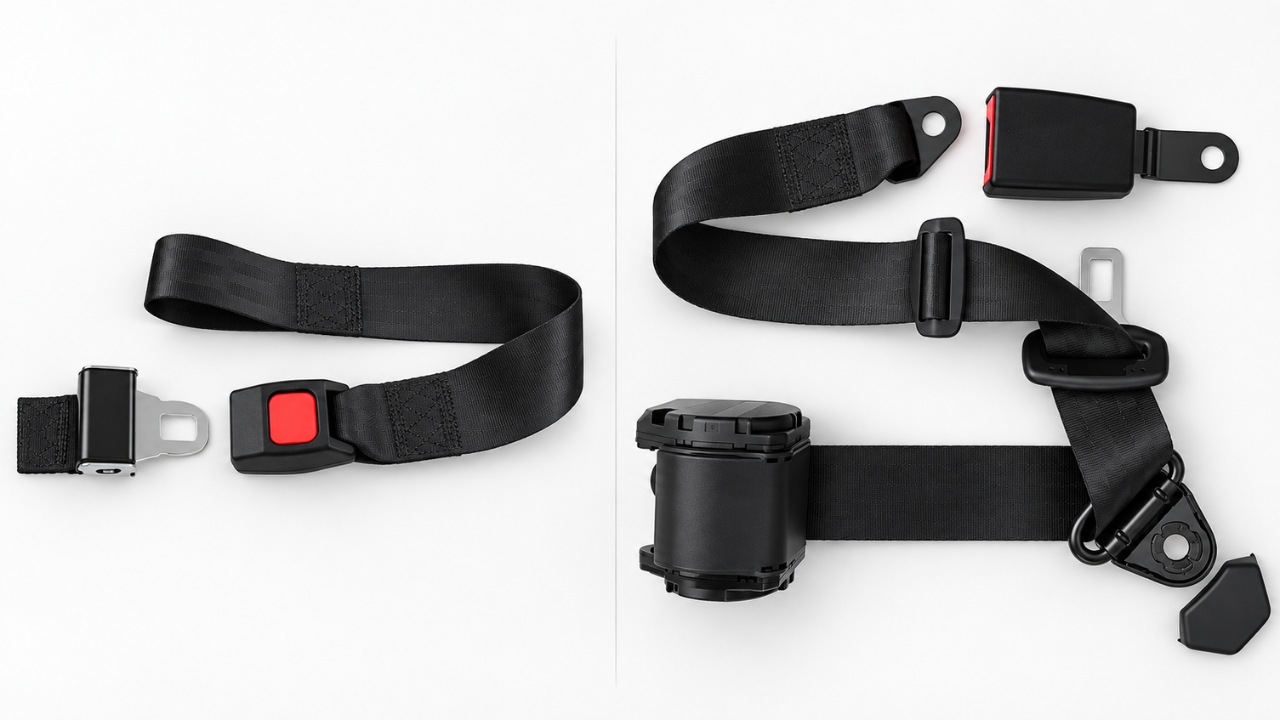 Main Differences Between 2 Point and 3 Point Seat Belts
Structure and Features
The most obvious difference between 2 point and 3 point seat belts is the number of anchor points and the range of restraint.
A 2 point belt is secured at 2 fixed points and primarily restrains the waist and pelvic areas, while imposing fewer restrictions on the upper body; therefore, it is also known as 2 point restraint.
A 3 point seat belt includes a shoulder anchor point and consists of a lap belt and a diagonal shoulder belt, allowing it to secure both the lower and upper body at the same time.
Restraint Area and Body Coverage
2 point seat belts primarily restrain the waist and pelvic area, providing limited restraint for the upper body.
A 3 point seat belt runs across the hips, shoulder, and chest and is secured at 3 anchor points. As such, it is a type of lap and shoulder belt that restrains both the lower and upper body simultaneously. This design provides better control over torso movement and helps manage the forces acting on the occupant during a collision or sudden deceleration.
Safety and Frontal Crash Protection
An important difference between 2 point and 3 point seat belts is the varying ability of the 2 designs to restrain the occupant’s upper body.
The difference between lap belts and shoulder belts is also reflected here. In the event of a sudden stop or collision, a 2 point seat belt can keep the occupant secured in the seat. However, because it lacks shoulder restraint, the upper body still has considerable freedom of movement. In a frontal collision, the torso may move significantly, and the occupant may also slide forward and downward under the lap belt, a phenomenon known as submarining. If the belt is not correctly positioned or the restraint system is not properly designed, this movement can increase the risk of the lap belt loading the abdominal area.
A 3 point seat belt restrains both the upper and lower body simultaneously, helping to limit forward and downward movement of the torso. The lap belt is positioned across the pelvic area, while the diagonal shoulder belt provides restraint for the upper body. By engaging multiple parts of the restraint system, a 3 point seat belt can better control occupant movement and manage crash forces than a lap belt alone.
Therefore, when the vehicle structure and regulatory requirements permit, 3 point seat belts typically provide more comprehensive occupant protection in frontal collisions. This is particularly important for seating positions where greater upper-body restraint is required.
Application and Vehicle Compatibility
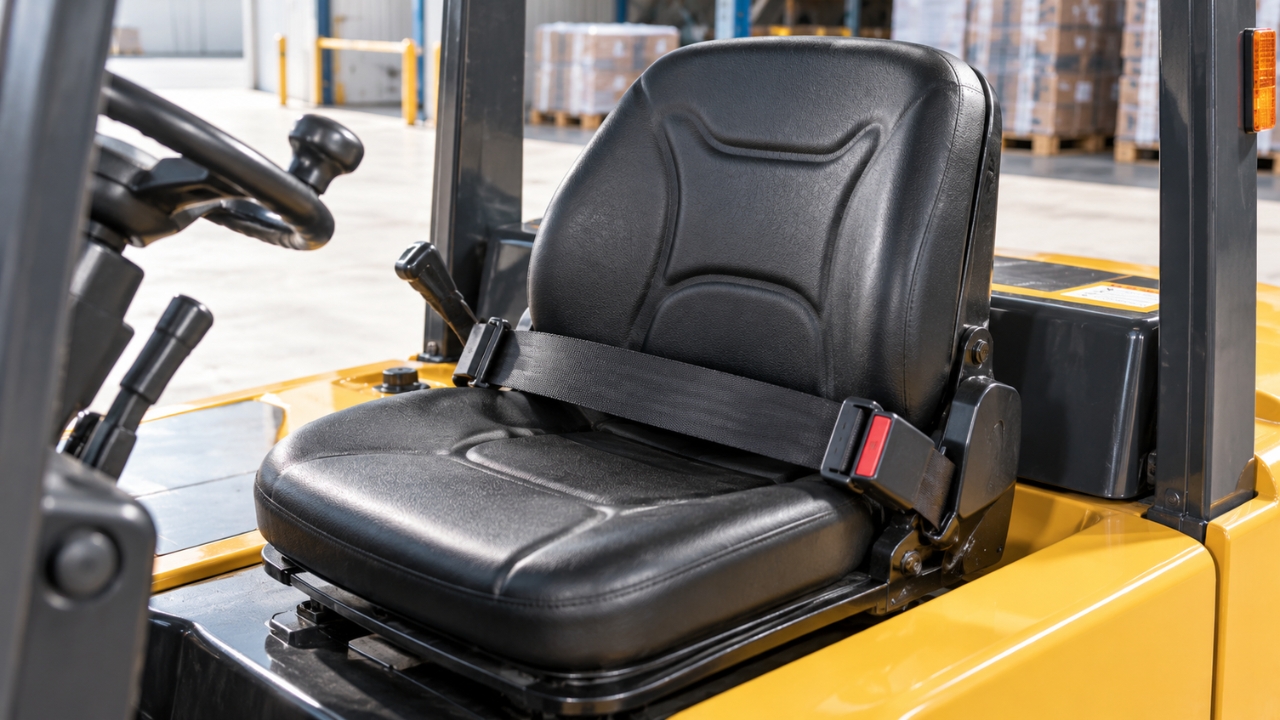
2 point seat belts are suitable for applications where basic occupant restraint is required, and the vehicle or equipment does not provide suitable conditions for a 3 point system. They may be used in agricultural machinery, forklifts, certain industrial vehicles, classic cars, and some older vehicles with a center rear seating position.
For low-speed equipment or vehicles operating in controlled environments, a 2 point seat belt may be a practical choice when the application, seat design, and applicable regulations allow it. Space limitations and the absence of a suitable upper anchor point can also make a lap belt more appropriate for certain equipment.
3 point seat belts are generally more suitable for passenger cars, buses, trucks, motorhomes, and other vehicles or equipment where greater upper-body restraint is required. They may also be appropriate for higher-speed or higher-risk off-highway equipment, such as certain agricultural machines and UTVs, when the vehicle structure and applicable requirements support a 3 point restraint system.
The choice should not be based on vehicle speed alone. You also need to consider the vehicle or equipment type, seat position, rollover or impact risks, available anchor points, operating environment, and applicable regulations and manufacturer requirements.
 Cost and Installation
For vehicles produced on a large scale, even if the cost difference per unit is small, the overall cost difference will be magnified as the volume of purchases increases.
2 point seat belts feature a simple design, a robust structure, fewer components, and quicker installation; therefore, their production and installation costs are typically lower than those of 3 point seat belts. Of course, this is true when product configurations and installation conditions are comparable.
3 point seat belts incorporate a shoulder anchor point and corresponding structural requirements, resulting in relatively higher production and installation costs. For projects requiring 3 point seat belt installation, it is also necessary to consider whether the shoulder anchor point, installation space, and vehicle structure meet the necessary requirements.
The Factors to Consider When Choosing a 2 Point or 3 Point Seat Belt
Based On The Application
When choosing between a 2 point and a 3 point seat belt, the first consideration is where it will ultimately be installed and how the vehicle or equipment will actually be used.
For example, some projects focus more on basic occupant restraint, while other applications require more comprehensive upper-body restraint.
Whether a vehicle is used on public roads, in industrial equipment, or for other specialized purposes also influences the choice of seat belt system. For racing or specialized seating projects, it is also necessary to determine whether 3 point racing seat belts or other specialized restraint systems are required.
Simply put, it generally makes more sense to first determine the usage scenario and then match it to the appropriate seat belt type, rather than selecting a product first and then figuring out how to install it.
Available Anchor Points and Installation Space
Whether a seat belt can be installed often depends on whether the vehicle itself has the appropriate mounting conditions.
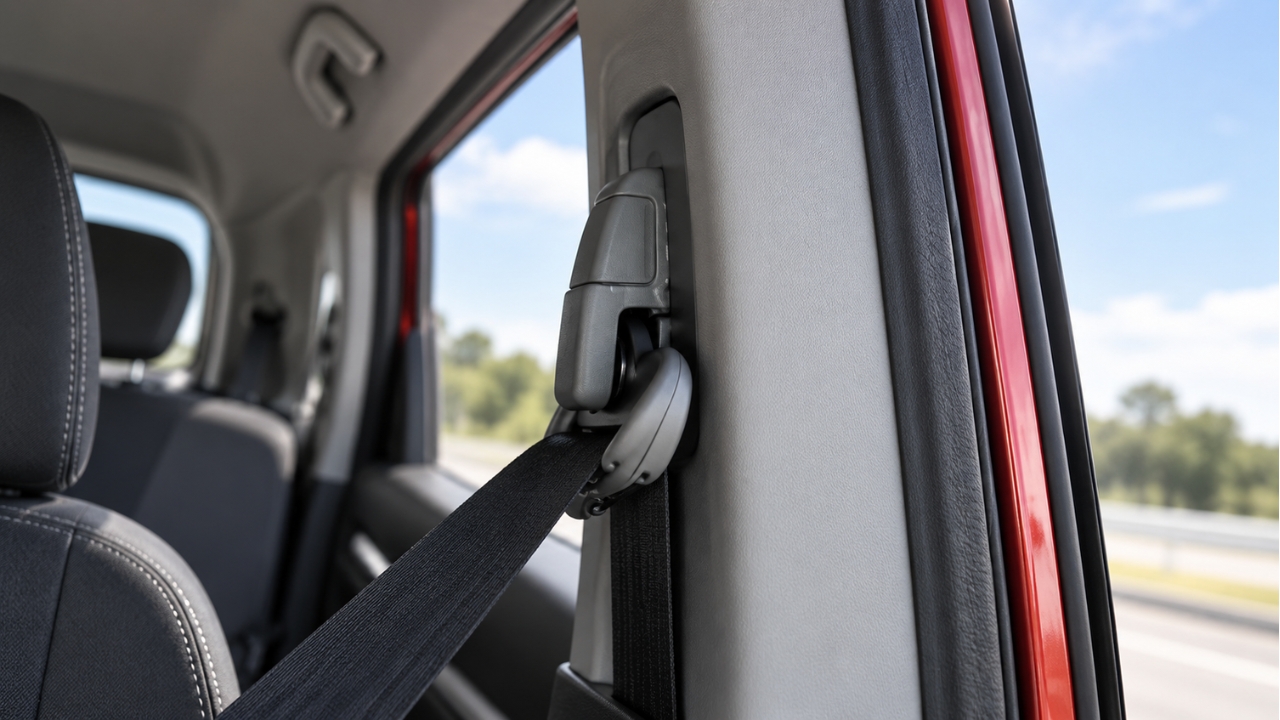
If the vehicle’s structure does not include suitable shoulder anchor points, or if installation space is limited, adding a 3 point system may not be as simple as just installing an additional anchor point.
If your project involves a 3 point seat belt conversion, a 3 point seat belt conversion kit, or a retrofit 3 point seat belt, you’ll also need to confirm that the new anchor points and the vehicle’s structure meet the installation requirements.
Before selecting a model, you need to verify the existing anchor points, available installation space, and the structure surrounding the seat. Some projects may also involve modifying existing vehicles. In such cases, it is even more important to confirm in advance whether the seat belt system is compatible with the original structure, rather than waiting until the product has been selected to address installation issues.
 Based On All Costs
Cost shouldn’t be judged solely by the unit price of the seat belt itself.
In addition to the product’s purchase price, you must also consider the difficulty of installation, whether additional anchor points are needed or vehicle structural modifications are required, as well as the long-term costs associated with bulk projects.
Sometimes, even if a single seat belt is inexpensive, it doesn’t mean the total project cost will be the lowest—especially when upgrading from a 2 point to a 3 point seat belt, where you also need to factor in the costs of installation and vehicle structural modifications.
FAQ
Are 2 Point Seat Belts Legal?
Whether a 2 point seat belt complies with regulations depends on the type of vehicle, the seat location, the usage scenario, and applicable local regulations. While 2 point seat belts may be used in some agricultural machinery, industrial vehicles, and special-purpose vehicles, it cannot be simply assumed that their use is permitted in all vehicles.
Are 3 Point Seat Belts Mandatory?
3 point seat belts are not universally required for all vehicles or all seats. You need to check the specific requirements based on the vehicle class and local regulations. For seats that require more comprehensive occupant restraint, 3 point seat belts are typically the more common configuration.
Can You Convert a Lap Belt to a 3 Point Seat Belt?
It is possible to retrofit a 3 point seat belt, but you cannot simply add a shoulder strap to the existing 2 point seat belt. You will need to conduct the appropriate structural and certification evaluations.
 Can a 2 Point Seat Belt Be Retractable?
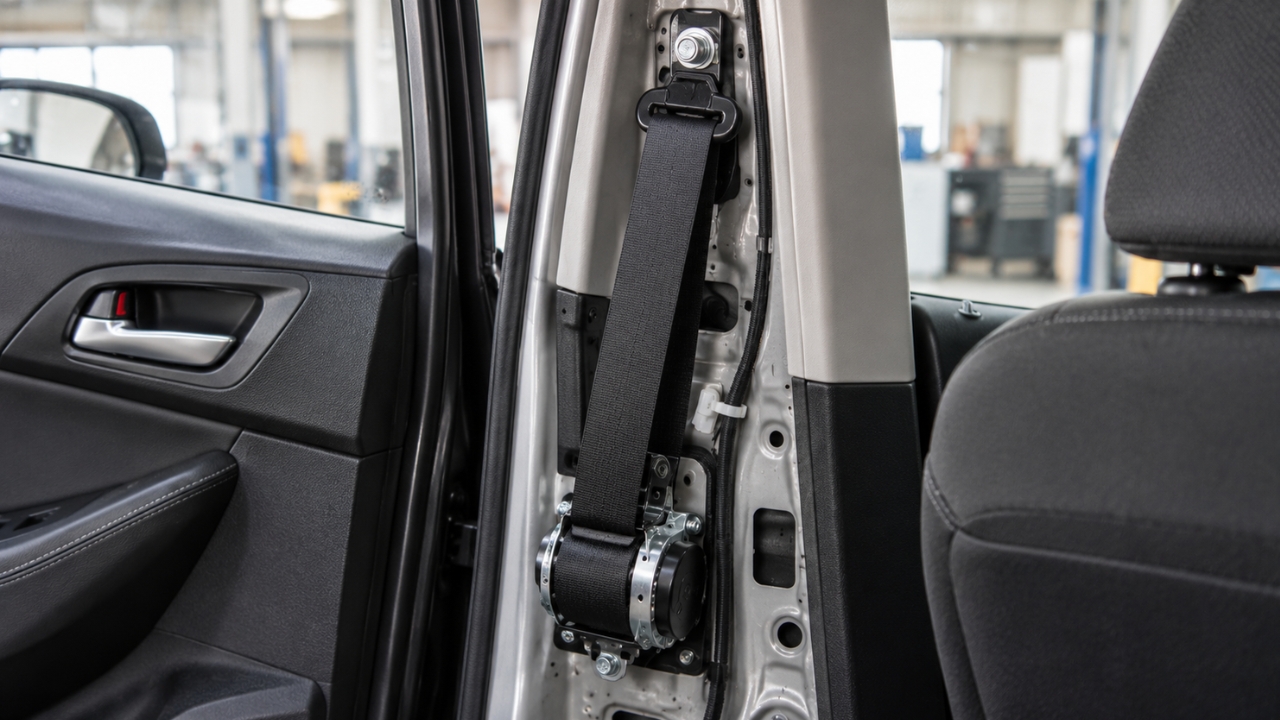
Yes. 2 point seat belts can also feature a retractable design, such as retractable lap belts. The specific design depends on the requirements of the vehicle or equipment. One should not assume that a 2 point seat belt necessarily lacks a retractor simply because it is a 2 point system.
What Factors Should Be Considered When Undertaking OEM, Replacement, And Retrofit Projects For 2 Point And 3 Point Seat Belts?
If you are purchasing 2 or 3 point seat belts for OEM, replacement, or retrofit projects, you need to confirm the vehicle or equipment model and the existing anchor points in advance. For retrofit projects, you also need to confirm that the new seat belt system is compatible with the original structure.
What Regulations and Standards Should You Check for a Seat Belt?
What Regulations and Standards Should You Check Before Choosing 2 Point And 3 Point Seat Belts?
The applicable requirements depend on the vehicle type, usage scenario, and target market. For road vehicles, commonly referenced requirements include UN/ECE R16 for seat belt assemblies, FMVSS 209 for seat belt assemblies, and FMVSS 302 for the flammability of interior materials. Anchor points may also be subject to requirements such as UN/ECE R14 or FMVSS 210.
Final Thought
2 point and 3 point seat belts each have their own advantages. You should choose based on the vehicle’s design and applicable regulations. When selecting a seat belt, you should also ensure that the product is suitable for the specific application. If you’re looking for seat belt-related solutions, please feel free to contact us—we offer one-stop solutions.