
Custom Tractor Seat Belts
BX’s tractor seat belts are suitable for new tractors, vintage tractors, and agricultural machinery retrofits.
• Applications: New tractors, vintage tractors, agricultural machinery retrofits
• Customers: Tractor manufacturers, agricultural machinery brands, parts buyers worldwide
• Services: OEM/ODM projects for global customers
Tractor Seat Belts Manufacturer in China
BX tractor seat belts are safety restraints used on tractors for agriculture, lawn care, and vintage tractor applications. Our tractor seat belts use high-strength nylon webbing to keep drivers securely seated. We offer seat belt configurations tailored to different tractor seats and mounting structures.
Our seat belts can withstand continuous vibration and outdoor environmental exposure, and are compatible with both new and older tractor models. BX has over 20 years of experience in seat belt R&D and manufacturing, with all processes—from steel stamping, webbing cutting, and sewing to assembly and packaging—carried out in our own factories.
We also support OEM/ODM customization and can adjust the webbing length, color, mounting structure, and logo according to your project requirements. If you’d like to learn more about customization options for tractor seat belts, please feel free to contact us at any time.
Types of Our Tractor Seat Belts
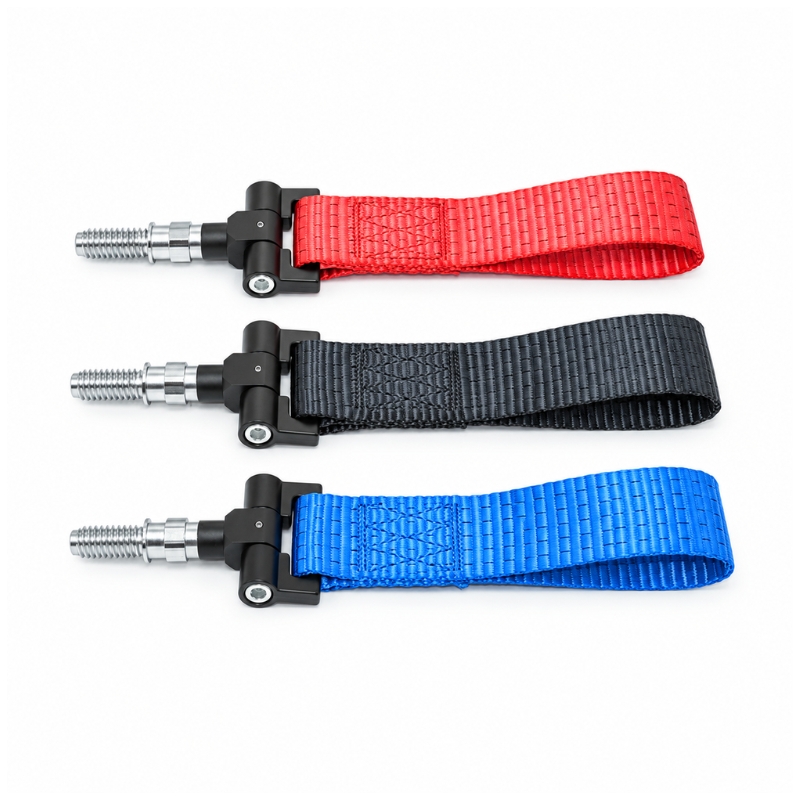
The seat belt is bolted securely to the tractor seat for a stable fit.
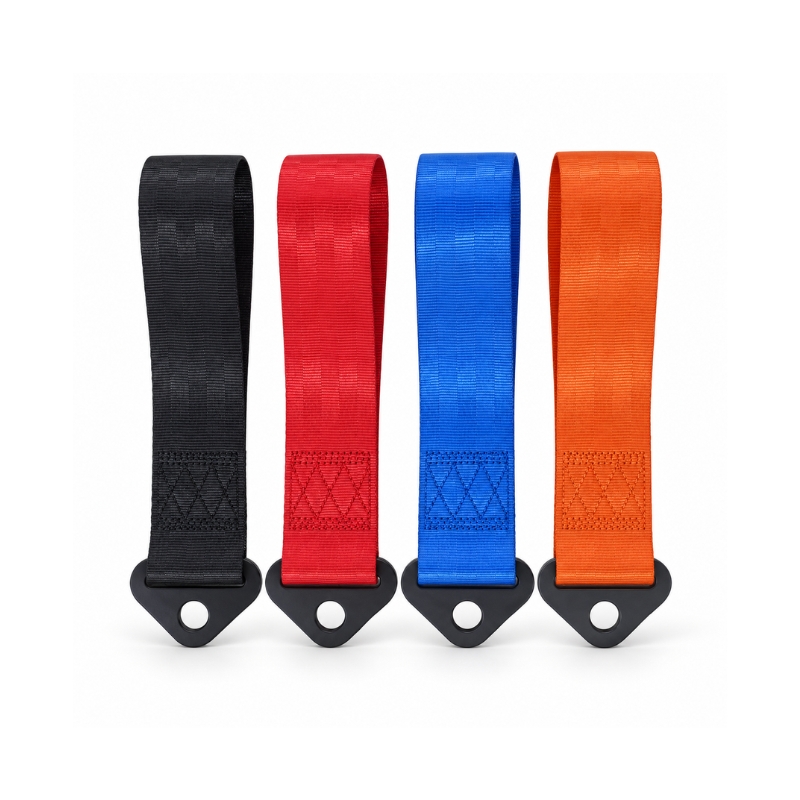
This design secures the belt around a compatible seat structure where bolt-in mounting is not used.
Features of Our Tractor Seat Belts
- High-strength webbing withstands repeated use in agricultural environments.
- Abrasion-resistant materials handle frequent friction and outdoor exposure.
- Durable buckles provide secure fastening and quick release.
- Adjustable webbing accommodates different seat and mounting configurations.
- Fixed and retractable designs support different installation requirements.
- Webbing strength and hardware undergo laboratory performance testing.
- Webbing length, color, and logos can be customized.
- OEM specifications are supported for bulk tractor seat belt orders.
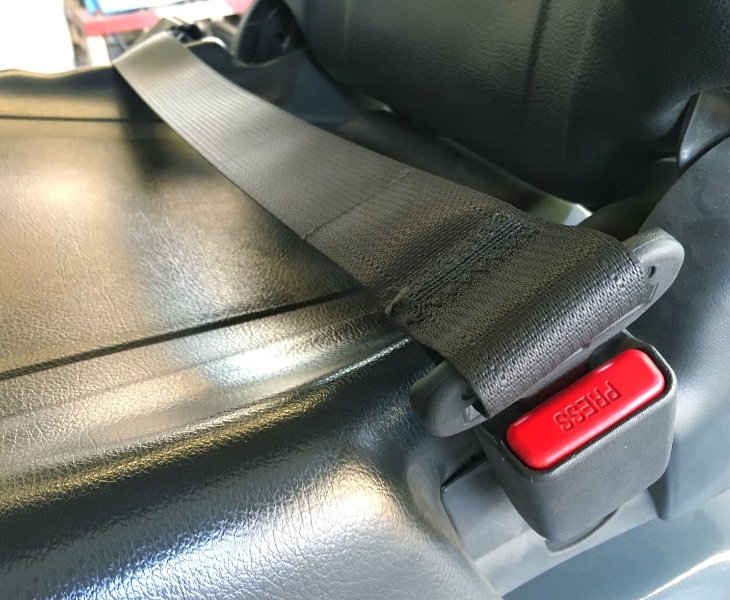
Tractor Seat Belts Specification
| Parameter | Details |
| Product Name | Universal Tractor Seat Belt |
| Webbing Material | High-strength nylon webbing |
| Webbing Width | 2 in. (50 mm); 3 in. (75 mm) optional |
| Seat Belt Type | Fixed / Retractable |
| Buckle Type | Heavy-duty metal quick-release buckle with corrosion-resistant finish |
| Mounting Method | Bolt-in / Wrap-around |
| Mounting Hardware | Steel bolts, washers, and brackets |
| Compatible Tractors | Agricultural tractors, lawn tractors, vintage and older tractors |
| Operating Environment | Outdoor, dusty, and high-vibration conditions |
| Customization | Webbing color, logo printing, length, and other specifications |
| Supply Options | Standard products, replacement kits, and OEM/ODM orders |
Key Components of a Reliable Tractor Seat Belt
High-Strength Webbing
The webbing directly affects the load-bearing capacity and service life of a tractor seat belt. We use high-strength nylon webbing, which offers excellent abrasion resistance. In addition to the material of the webbing, you also need to consider its width, weave structure, and overall strength to ensure it forms a complete restraint system with the buckle.
Buckle and Adjustment System
The buckle and adjustment mechanisms affect the driver’s user experience during daily operations. To make it easier for drivers to fasten and unfasten the tractor seat belt, you can choose a metal quick-release buckle. This type of buckle allows drivers to adjust the strap length to fit different seats. All our buckles feature a corrosion-resistant finish that protects against corrosion caused by moisture during outdoor use.
Mounting Configuration and Hardware
The installation structure determines whether a seat belt can be properly connected to a tractor seat. It is also a key factor to verify when replacing an old seat belt. When purchasing tractor seat belts, you should confirm in advance the installation points, mounting holes, and seat structure of tractors in your target market to ensure the seat belts are compatible with the vehicles.
Comparing Different Tractor Seat Belt Designs
2-Point vs. 3-Point Tractor Seat Belts
| Comparison | 2-Point Tractor Seat Belt | 3-Point Tractor Seat Belt |
| Restraint Points | Secures the occupant with a lap belt | Uses a lap belt and shoulder belt |
| Body Restraint | Secures the lower body | Secures the upper and lower body |
| Anchorage Configuration | Connects the belt assembly to two anchorage points | Uses three anchorage points for the restraint system |
| Installation | Requires compatible anchorage locations | Requires compatible anchorage locations for the lap and shoulder sections |
| Typical Use | Suitable for basic restraint requirements | Suitable when greater upper-body restraint is required |
Fixed vs. Retractable Tractor Seat Belts
| Comparison | Fixed Tractor Seat Belt | Retractable Tractor Seat Belt |
| Webbing Movement | Fixed at the selected length | Extends and retracts with the retractor |
| Adjustment | Manual adjustment | Automatic webbing adjustment |
| User Movement | More limited | Allows more freedom of movement |
| Installation | Suitable for compatible fixed-belt mounting points | Requires suitable space and mounting position for the retractor |
How to Choose the Right Tractor Seat Belt
Seat Belt Design
Before ordering, you need to choose the right seat belt design based on the tractor seat structures used in your target market. Two-point and three-point seat belts differ in their fastening mechanisms and mounting locations. The choice between a two-point and three-point seat belt depends on the tractor’s original restraint system, seat/ROPS configuration, and approved mounting points. In addition to the number of points, you should also choose between a fixed or retractable seat belt based on your target customers’ usage habits. However, the final choice must still be based on the tractor seat’s installation conditions.
Seat Compatibility
Whether a seat belt can be installed correctly depends on the tractor’s mounting structure. Before purchasing, you need to confirm the mounting points on the tractor seat, the spacing between the mounting holes, and the available space at the installation location. For older or vintage tractors, you can refer to the installation method and dimensions of the original seat belt. If you are sourcing a tractor buddy seat belt, you should also check the buddy seat structure to confirm the correct belt configuration. If you cannot locate the original seat belt, please provide the seat dimensions, and we will help you choose the suitable product.
Webbing Length and Adjustment Range
In addition to the seat belt’s installation method, you’ll need to determine the length of the webbing based on its actual installation location. If the seat and mounting positions vary between tractors, it is better to choose a belt with a wider adjustment range. If the existing belt is too short for the seat, a tractor seat belt extender may be an option when the original belt and extender are compatible. If the mounting positions are clear, you can choose a standard-length belt that matches them. For projects involving the replacement of an old seat belt, you’ll also need to verify that the new seat belt’s length matches the original mounting structure.
Safety and Compliance Requirements
Safety requirements for seat belts vary by market. Before bulk purchasing, you need to confirm the relevant standards and specifications of your target market. In addition to webbing strength, you should also check the performance of the buckle and mounting hardware, as well as whether the supplier can provide the relevant test reports. For custom seat belt projects, it is recommended that you confirm the safety and compliance requirements of the target market early.
Tractor Seat Belt Customization Process
Confirm Your Requirements
First, you’ll need to provide us with your customization requirements, including the tractor seat structure, installation method, seat belt type, and the length, width, and color of the webbing. If you have a reference image of an existing tractor seat belt, please feel free to share it with us.
Confirm the Product Design
We will confirm the seat belt’s structure and customization requirements based on the drawings and samples you provide. If you need to adjust any customization details for the seat belt, you can finalize them at this stage.
Develop and Approve Samples
Once the specifications are confirmed, we will produce a sample based on the final requirements. You can use the sample to evaluate the seat belt’s actual performance. If adjustments are needed, we will modify the sample based on your feedback.
Start Bulk Production
Once the sample has been approved, we will arrange for mass production in accordance with the final confirmed specifications.
For vintage tractors, two-point seat belts are a common choice, but the final decision ultimately depends on the original seat structure and mounting points. If the original mounting points are in good condition, you can choose a replacement kit that matches the original design. Since vintage tractors are usually used outdoors, such as on farms, you can choose seat belts that are equipped with corrosion-resistant metal hardware and UV-resistant webbing.
A tractor seat belt should be replaced if the webbing shows significant wear or tearing, or if the buckle no longer fastens or releases properly. For seat belts that have been subjected to a severe impact, it is recommended to replace them with new ones even if there is no visible damage. To minimize after-sales issues, you can print these replacement instructions on the seat belt tag.
Tractor seat belts must comply with the relevant safety standards for agricultural machinery seat belts. Before purchasing, you should confirm the applicable regulations for the tractor and target market. These requirements may cover the seat belt, webbing, buckle, anchorage points, and mounting components. For example, U.S. agricultural tractor requirements can include specific provisions for seat belts, belt anchorage, and webbing resistance when ROPS requirements apply. You should review the corresponding test reports to ensure they meet the requirements of your target market.
There is no universal service life for tractor seat belts. The actual service life depends on factors such as frequency of use, environmental exposure, operating conditions, and the condition of the restraint system. The webbing, buckle, and mounting hardware should be checked regularly for wear, damage, or malfunction. If the seat belt shows signs of severe wear, it should be replaced promptly. Prolonged exposure to the elements will accelerate the seat belt’s deterioration and shorten its service life.
The minimum order quantity for our in-stock tractor seat belts is 500 pieces. To support new customers and market testing, we accept trial orders as low as 50 pieces. These small-batch trial orders allow you to evaluate market feedback before placing a large-volume order. If you wish to customize a brand-new tractor seat belt, the minimum order quantity and production lead time will vary.