


Aircraft seat belts are not only restraint devices used to secure passengers during flight, but also constitute a critical aviation safety system designed to protect passenger safety. During flight operations, in the presence of turbulence, and in emergency situations, properly fastened seat belts can help passengers maintain stability and mitigate potential risks.
However, selecting an aircraft seat belt is not simply a matter of choosing a product with superior restraint capabilities. Different aircraft types, seat configurations, passenger requirements, and operating environments impose varying demands on the design, configuration, and performance of seat belts. Selecting an unsuitable seat belt may compromise installation compatibility, operational convenience, and overall performance.
How do you select an aircraft seat belt that best meets your specific application requirements? This article will explore various aspects—including seat belt types, application scenarios, materials, structural characteristics, and key considerations during selection—to help you identify the most suitable aviation seat belt solution for your actual needs.
Select the Appropriate Type of Safety Belt
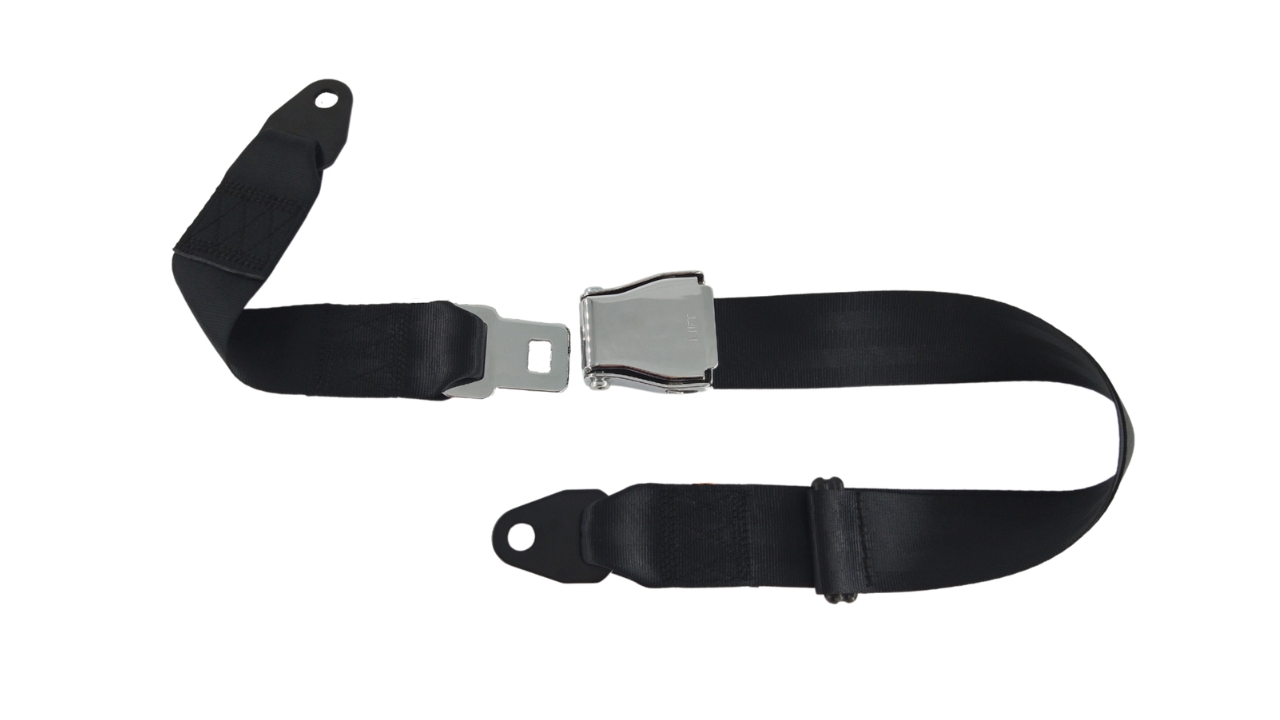
2-Point Seatbelts
Among the commonly used seat belt types—two-point, three-point, four-point, and five-point belts—two-point seat belts may be the most suitable choice if your application scenario requires a simple lumbar restraint device, ease of operation, and compatibility with standard passenger seat configurations. A two-point seat belt primarily secures the occupant’s pelvic region via a lumbar restraint system, making it one of the most widely used basic restraint systems in civil aviation cabin environments.
 3-Point Seatbelts
A three-point seat belt incorporates a shoulder strap in addition to a lap belt, securing both the occupant’s pelvis and upper body simultaneously to enhance overall restraint performance. Compared to traditional two-point seat belts, a three-point configuration provides superior torso stability, reducing the likelihood of the occupant’s body leaning forward or shifting during flight.
If your application scenario requires a higher level of occupant protection than basic waist restraint, while still aiming to maintain good operational convenience and structural simplicity, a three-point seat belt is an appropriate choice. It is typically suitable for seat configurations that demand additional upper-body restraint, such as certain general aviation seats, light aircraft seats, and other aviation applications requiring upper-body restraint.
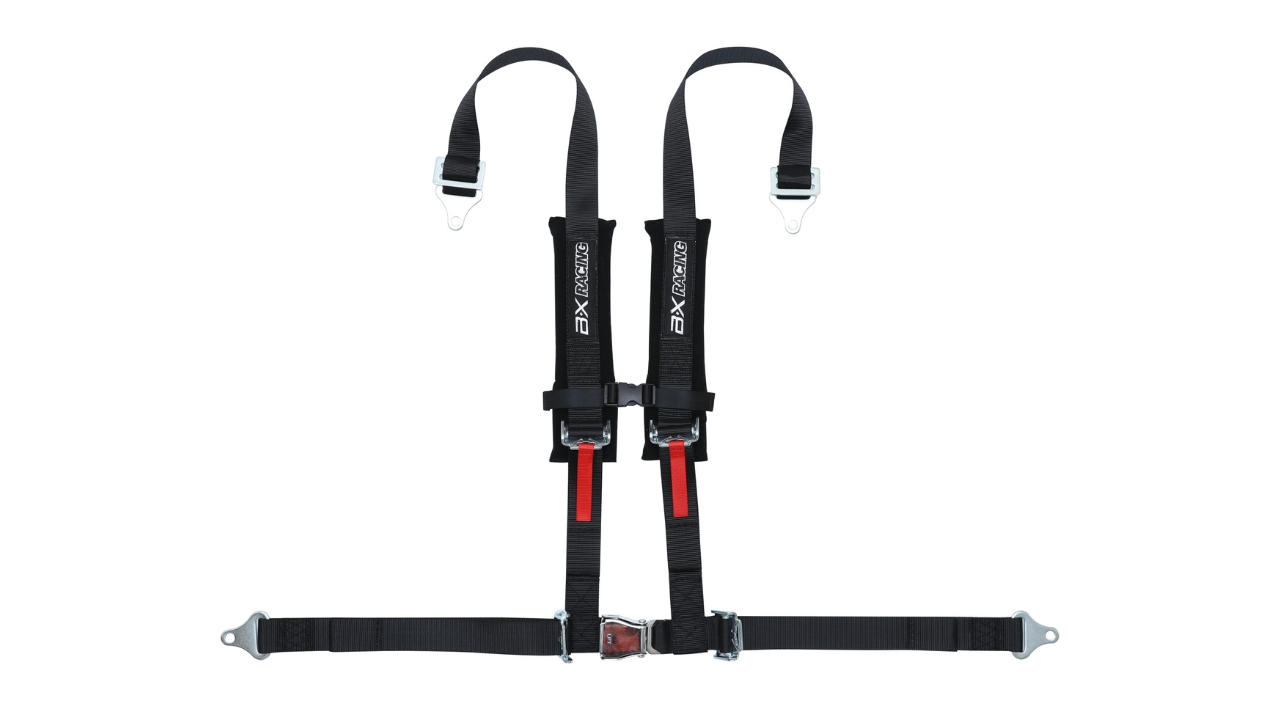
4-Point Seatbelts
When higher restraint requirements are needed—such as when passengers must be secured in a child safety seat—you may consider opting for a four-point seat belt. A four-point seat belt secures the occupant using two shoulder restraint points and two lap restraint points, which helps reduce forward body tilt, lateral movement, and excessive displacement during flight, thereby enhancing restraint stability in dynamic conditions. (Before selecting a four-point seat belt system, verify that the seat structure provides appropriate mounting points for the shoulder straps, and that the restraint geometry aligns with the occupant’s posture.)
 5-Point Seatbelts
A 5-point seat belt builds upon a 4-point seat belt by incorporating a hip restraint strap (negative G-force strap), securing the occupant simultaneously at multiple points—shoulders, waist, and hips—thereby maintaining a more stable body position. Compared to a 4-point seat belt, a 5-point configuration further reduces the risk of occupant descent during high-dynamic flight conditions and provides enhanced overall body restraint capabilities.
When the flight environment involves high dynamic loads, significant occupant movement, or when seat design requires higher levels of restraint capability, a five-point seat belt is typically the more appropriate choice.
| Type | Configuration | Application | Key Advantages |
| 2-point | Lap belt | Passenger aircraft | Simple operation, lightweight, comfortable |
| 3-point | Lap + shoulder | Crew seats | Improved upper-body stability |
| 4-point | Two shoulder straps + lap belt | Helicopter / aerobatic | Better restraint under dynamic loads |
| 5-point | 4-point + anti-submarine strap | Pilot / high dynamic flight | Maximum occupant restraint |
Before Selecting an Aircraft Seat Belt, First Inspect the Key Components.
 When selecting appropriate aircraft seat belts, it is essential to consider not only the type of seat belt and its intended application scenarios, but also the individual components that make up the seat belt system, as these components directly influence the overall performance, installation compatibility, and long-term reliability of the system. Before procurement, understanding the functions and characteristics of key components can help you more accurately assess whether a product meets your aircraft seat configuration and operational requirements.
Webbing
When selecting webbing, consideration should be given to its width, length, material, strength, durability, flame retardancy, and compatibility with the intended aircraft application environment.
Width:Aircraft seat belt straps are typically designed with a width of approximately 50 mm (2 inches). An appropriate strap width helps passengers distribute abdominal pressure, thereby enhancing passenger comfort during extended flights. Additionally, a standardized width design facilitates compatibility with other components, such as buckles and fasteners.
Length:The length of the seat belt should be selected based on the aircraft seat layout, installation position, and the operational requirements of the occupants. An appropriately designed length ensures that occupants of varying body types can easily adjust and correctly fasten the belt, thereby avoiding compromised user experience due to insufficient length, or operational inconvenience caused by excessive length.
Material:Aircraft seat belt webbing typically employs high-strength aviation-grade nylon or flame-retardant polyester fibers. Different materials exhibit variations in tensile strength, wear resistance, flame retardancy, and long-term dimensional stability; therefore, selection must be based on the specific aircraft operating environment. High-quality materials not only provide superior tensile strength and wear resistance but also enhance the reliability of the webbing during prolonged service, thereby reducing maintenance requirements arising from wear or aging.
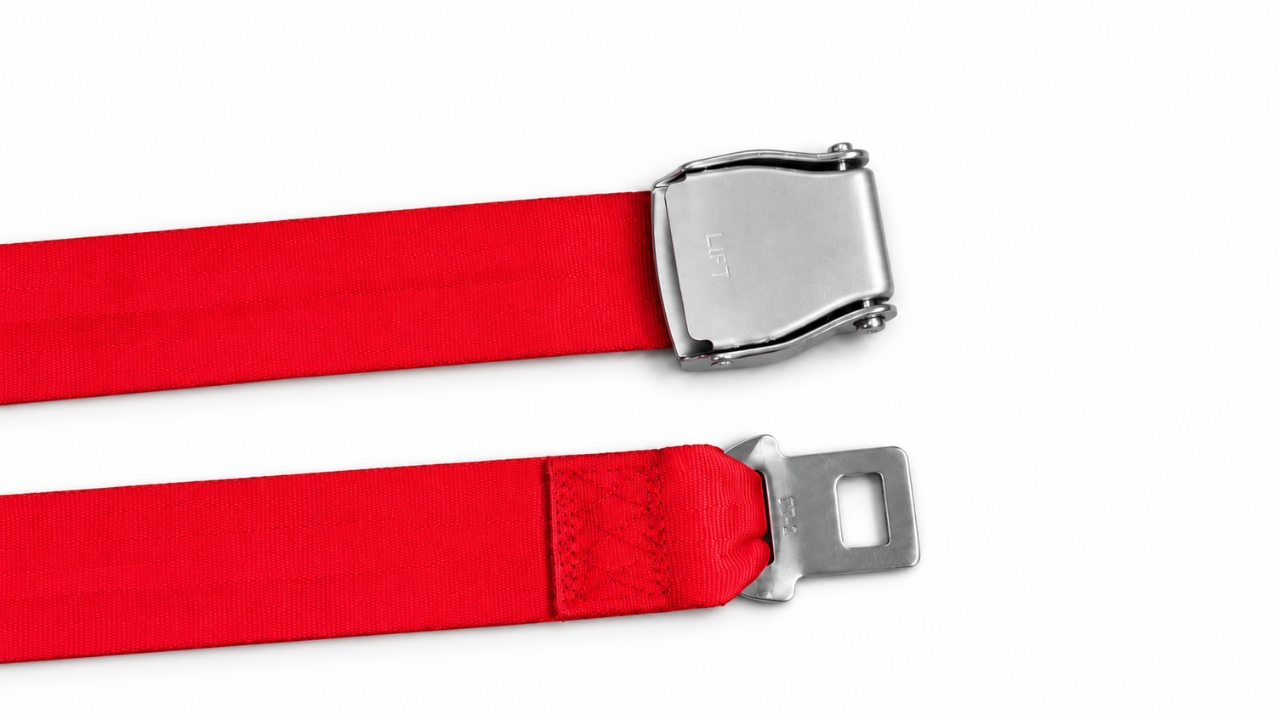
Buckle & Tongue Assembly
The fastening system determines the connection method of the aircraft seat belt, its ease of operation, and its release efficiency in emergency situations. When selecting a fastener, the following factors should be considered: whether the locking mechanism is reliable to prevent accidental release during flight; whether it is simple to operate, enabling crew members to fasten and release the belt quickly; and whether it is compatible with the aircraft seat design and the intended operating environment.
For passenger aircraft applications, a simple and intuitive operating interface can enhance the passenger experience while reducing complaints or operational issues arising from difficult operation.
 Mounting Hardware
The fastening structure is used to connect the seat belt system to aircraft seats or other relevant mounting points, and constitutes a critical component in ensuring overall restraint performance. When selecting such a structure, the following factors must be considered: whether it is compatible with existing seat mounting interfaces; whether its connection method complies with aircraft structural requirements; and whether it can withstand the loads and environmental influences during prolonged service.
An appropriate mounting structure can enhance installation efficiency and reduce subsequent modification or maintenance costs.
Key Safety Performance Considerations When Selecting an Aircraft Seat Belt
Strength:
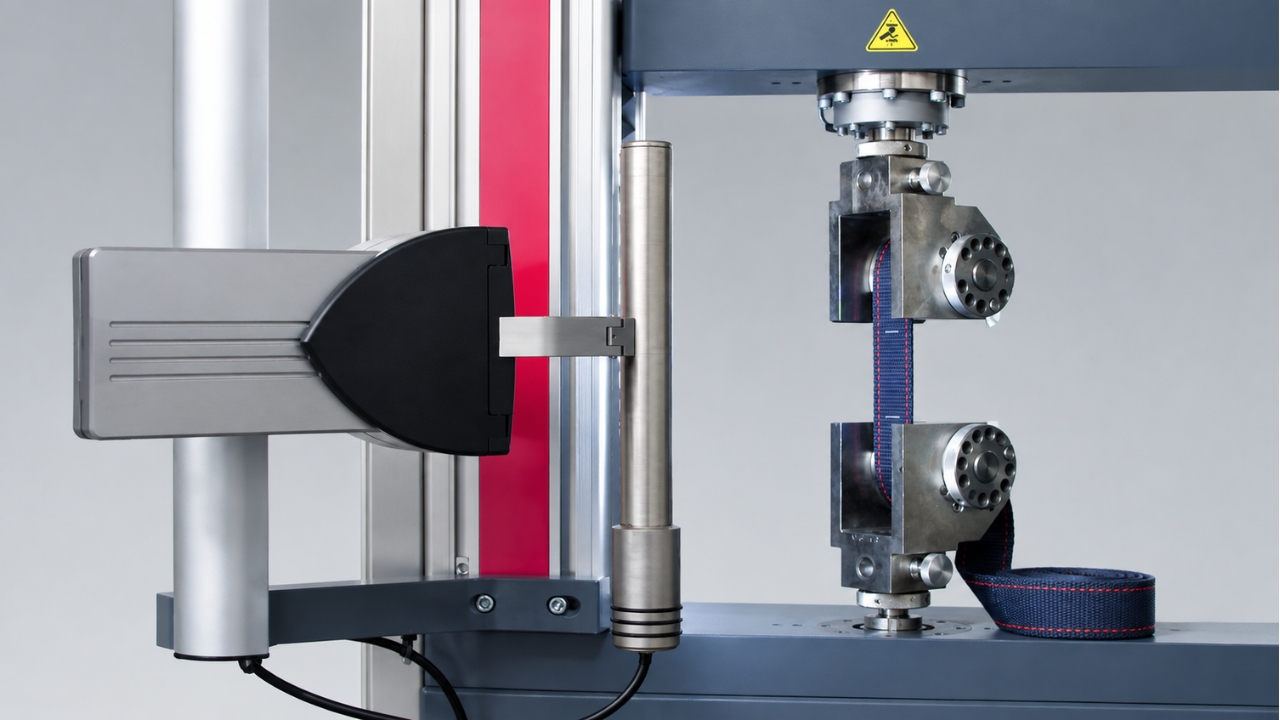
During takeoff, landing, or when encountering severe turbulence, aircraft seat belts must withstand instantaneous, substantial tensile forces. Therefore, it is essential to verify that the seat belt system possesses sufficient breaking strength and load-bearing capacity to comply with applicable aviation safety requirements, and to ensure that it maintains structural integrity under high-load conditions.
Fire resistance:
The interior of an aircraft constitutes a specialized operating environment, where the flame-retardant properties of materials directly impact the safety of passengers and crew. Therefore, it is essential to select seat belt materials with superior flame-retardant properties to ensure that these materials can self-extinguish in the event of a fire, thereby reducing the generation of smoke and harmful gases during combustion.
Durability and Environmental Adaptability:
During prolonged operation and high-frequency use, safety belts are subjected to repeated pulling and adjustment, frequent friction against metal buckles, as well as continuous exposure to ultraviolet radiation, cleaning, and disinfection processes. Therefore, it is essential to select safety belt materials that exhibit superior wear resistance, along with excellent resistance to ultraviolet radiation, chemical corrosion, and aging, ensuring that these materials maintain consistent performance even under high-frequency operating conditions, thereby preventing issues such as webbing wear, fiber fuzzing, loss of tensile strength, or material degradation.
Select the Appropriate Aircraft Seat Belt Based on Your Application Scenario.
Passenger Aircraft Seats:
When deploying seat belts in passenger aircraft seats, you should prioritize passenger comfort, ease of operation, and basic restraint performance. During the procurement process, you should assess whether the seat belt is compatible with the aircraft seat structure; whether the fasteners allow passengers to fasten and release the belt quickly; and whether the seat belt adequately balances passenger comfort with long-term durability.
Pilot and Crew Seats:
For pilots or crew members’ seats, seat belts must not only provide basic restraint functionality but also ensure bodily stability and operational freedom during flight operations. During the actual procurement process, you should evaluate whether the restraint system can effectively limit the range of motion of the occupants to maintain a stable posture during flight operations; whether appropriate multi-point seat belts can be selected based on the flight mission and seat configuration to enhance occupant restraint effectiveness; and whether the system can minimize excessive body displacement during impacts or high-intensity movements, thereby providing superior protection for the occupants.
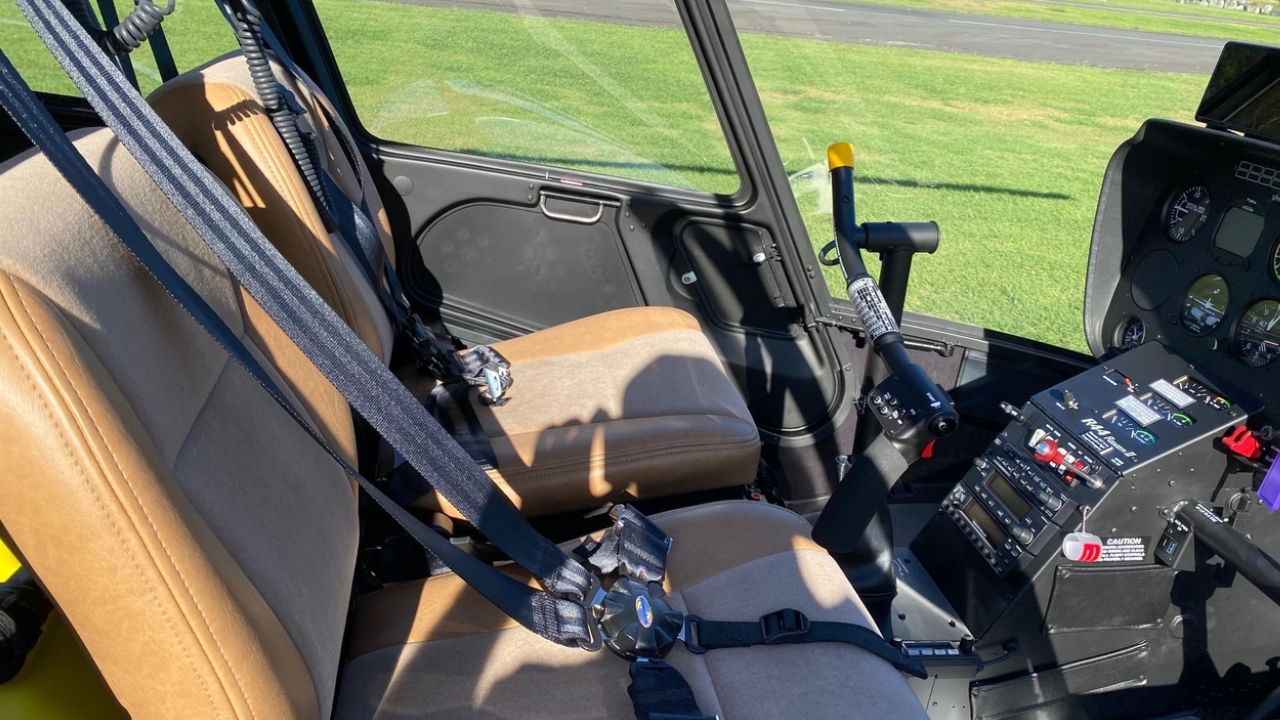
Helicopter Seat:
The operating environment of helicopters is typically more complex; therefore, the seat belt system must adapt to changes in flight attitude, sustained vibrations, and diverse mission environments. In such cases, it is essential to consider both the constraint requirements under complex flight conditions and long-term reliability. During the actual procurement process, the following factors should be evaluated: whether the system possesses sufficient restraint capability to accommodate complex changes in flight attitude; whether it exhibits adequate vibration resistance to ensure long-term operational reliability; whether its mounting structure is stable and compatible with the helicopter seat; and whether the materials used demonstrate excellent environmental durability.
Professional Aviation Seats:
In professional aviation applications, such as training aircraft and special-purpose mission aircraft, the selection of seat belts typically requires integration of specific mission requirements and seat design specifications; accordingly, you must select an appropriate seat belt system based on these mission requirements. During the actual procurement process, you should evaluate the following criteria: whether the restraint performance of the seat belts meets mission requirements; whether they are compatible with the existing seat structure and installation methods; and whether they satisfy durability requirements under prolonged, high-stress operating conditions.
| Application | Recommended Type | Key Considerations |
| Passenger aircraft | 2-point | Comfort, easy operation |
| Pilot seat | 3/4/5-point | Stability, restraint |
| Helicopter | 4/5-point | Dynamic load, vibration |
| Aerobatic aircraft | 5-point | Maximum restraint |
FAQ
What Should I Do Regarding the Daily Maintenance and Periodic Inspection of My Seat Belt?
We recommend regularly inspecting the webbing for wear, fraying, or chemical corrosion, testing the smoothness of buckle engagement and disengagement, and verifying the sensitivity of the quick-release mechanism; replace any aged components promptly upon detection.
Can My Aircraft Seatbelt Be Installed on Any Aircraft Seat?
Not necessarily. The seat belt must be compatible with the seat structure, the location of its mounting points, and the connection method. Before selection, you should verify that the seat provides appropriate mounting positions and that the seat belt system meets the corresponding installation requirements.
How Can I Determine Whether an Aircraft Seatbelt Is Reliably Locked?
The reliable seat belt buckle should lock properly and produce a distinct clicking sound (ka). During use, you should check whether the buckle is fully engaged, whether it releases smoothly, and whether there are any signs of looseness or abnormality.
What Essential Certifications Are Required for Aircraft Seat Belts?
Certification requirements depend on the aircraft type and its application scenario. Commonly referenced aviation standards include:
The U.S. Federal Aviation Administration (FAA) has required
Airworthiness requirements of the European Aviation Safety Agency (EASA)
Technical Standard Specification (TSO)
SAE Aerospace Standards
Why Are Two-Point Seat Belts Widely Used in Commercial Aircraft?
For most commercial aircraft, two-point seat belts provide stable seating positions during flight, offer easy operation, ensure high passenger comfort, exhibit excellent compatibility with seat designs, and are relatively lightweight, thereby reducing aircraft weight. Consequently, they are widely adopted.
Whether it involves equipping civil aviation passenger aircraft with seats, upgrading the interior of business class cabins, or procuring high-performance five-point seat belts for specialized aviation applications, selecting the appropriate seat belt system is of critical importance.
Should you have any requirements, please contact us; our team will provide you with professional expert advice and sample support.