


Incorrect seat belt repair can leave the belt with locking, retraction, or buckling problems and may require additional replacement or rework. The first step is to determine whether the seat belt can be repaired or should be replaced. This guide can help you assess the condition of the seat belt, find a suitable repair solution, and determine the next steps.
When to Repair or Replace a Seat Belt
When the damage affects the webbing, restraint components, or crash-related systems, replacement may be the safer and more practical option. You should choose replacement when:
- Webbing damage
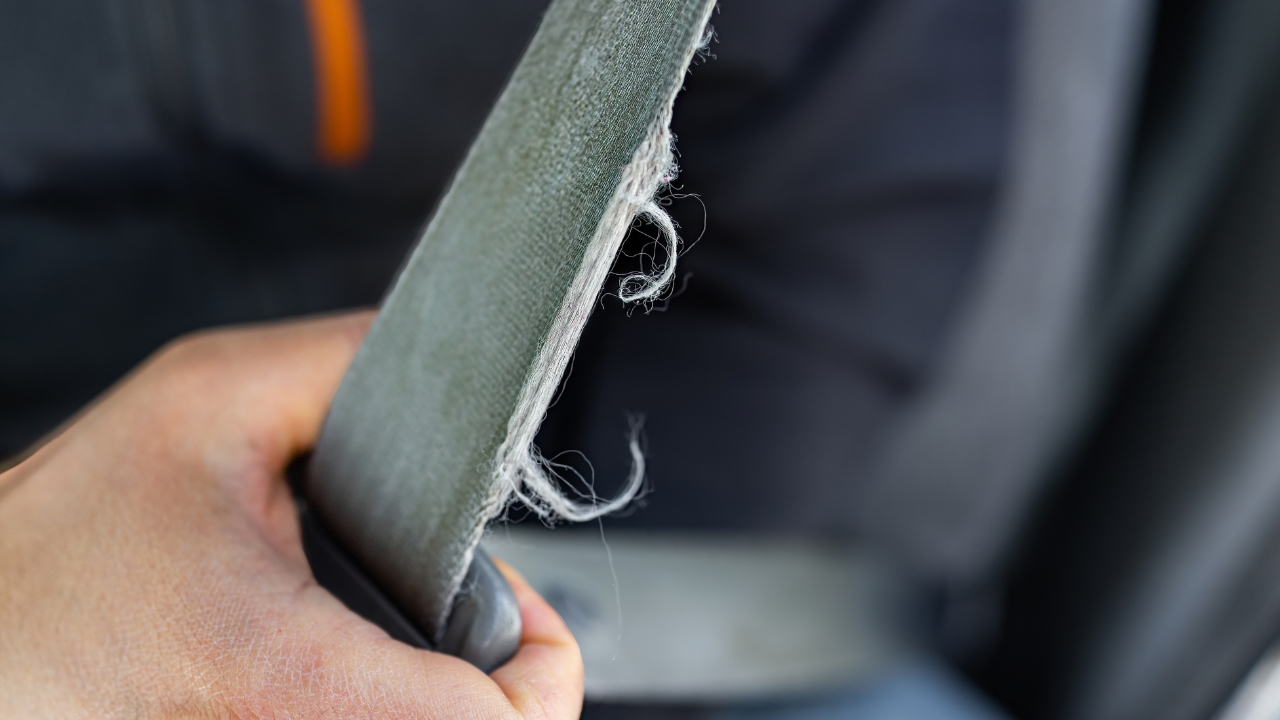
Replace the seat belt when the webbing has cuts, tears, burns, or severe fraying.
- Retractor or buckle damage
Replace the component when physical damage prevents the retractor from locking correctly or the buckle from latching or releasing properly.
- Pretensioner deployment
Replace the seat belt or affected restraint components when the pretensioner has deployed in a crash.
- Unrepairable or failed repair
Choose replacement when the damage cannot be repaired without affecting the restraint system, or when a repaired belt fails functional checks, or its safety condition cannot be verified.
 What to Prepare Before Seat Belt Repair
Before starting a seat belt repair, you need to confirm the belt configuration, the type of fault, and the parts required for the repair. For vehicle production, fleet maintenance, or aftermarket projects, you should also confirm the relevant part information and service requirements in advance to avoid compatibility problems or unnecessary delays.
How Each Component Is Repaired
The repair method depends on the damaged component and the type of fault. When you assess a seat belt for repair, you need to identify the affected component first, because some problems can be addressed by repairing or replacing an individual component, while others may require replacement of the complete assembly.
Seat Belt Webbing Repair
Webbing-only replacement may be possible for some seat belt assemblies, depending on the belt design, applicable requirements, and manufacturer service procedures. For automotive applications, verify the applicable requirements before replacing webbing
separately from the original assembly.
Seat Belt Retractor Repair
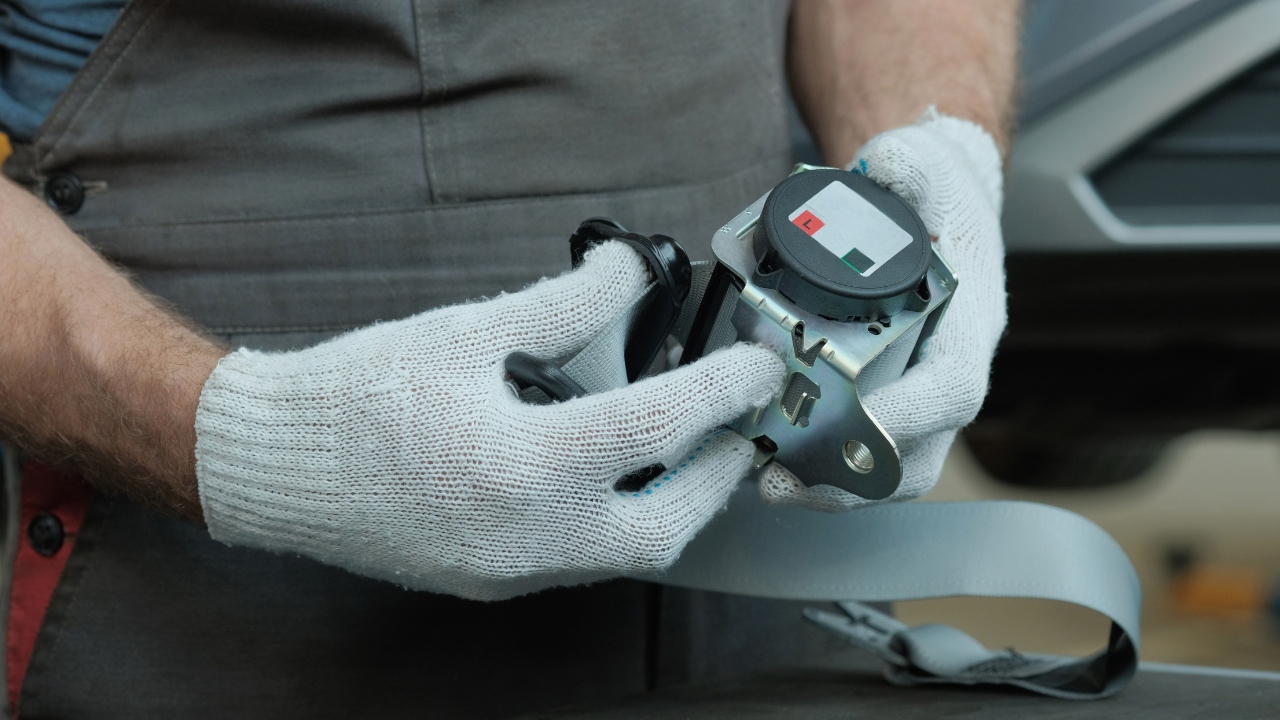
A retractor may show problems such as locking unexpectedly, failing to lock, getting stuck, or retracting slowly. However, whether a retractor can be repaired depends on its design and the applicable manufacturer service requirements.
Some retractors are not designed to be serviced and must be replaced as a complete unit when damaged or faulty.
Before attempting any retractor repair, you need to confirm whether the specific model is serviceable and follow the applicable OEM or manufacturer instructions.
Where repair is permitted, the retractor can be serviced according to the approved procedure and then functionally tested. If the manufacturer requires replacement, the complete retractor should be replaced rather than repaired.
Seat Belt Buckle Repair
Buckle problems usually involve failure to latch, difficulty releasing, or a mechanism that becomes stuck. A faulty buckle can make it difficult to secure or release the belt properly, so the problem should be addressed before the vehicle or equipment returns to service.
Depending on the buckle design, faulty locking/release parts can be replaced. Buckles integrated with SRS sensors are generally replaced as a full assembly instead of internal component repair. If the buckle incorporates a pretensioner or other SRS component, additional professional handling may be required.
Seat Belt Mounting and Component Repair
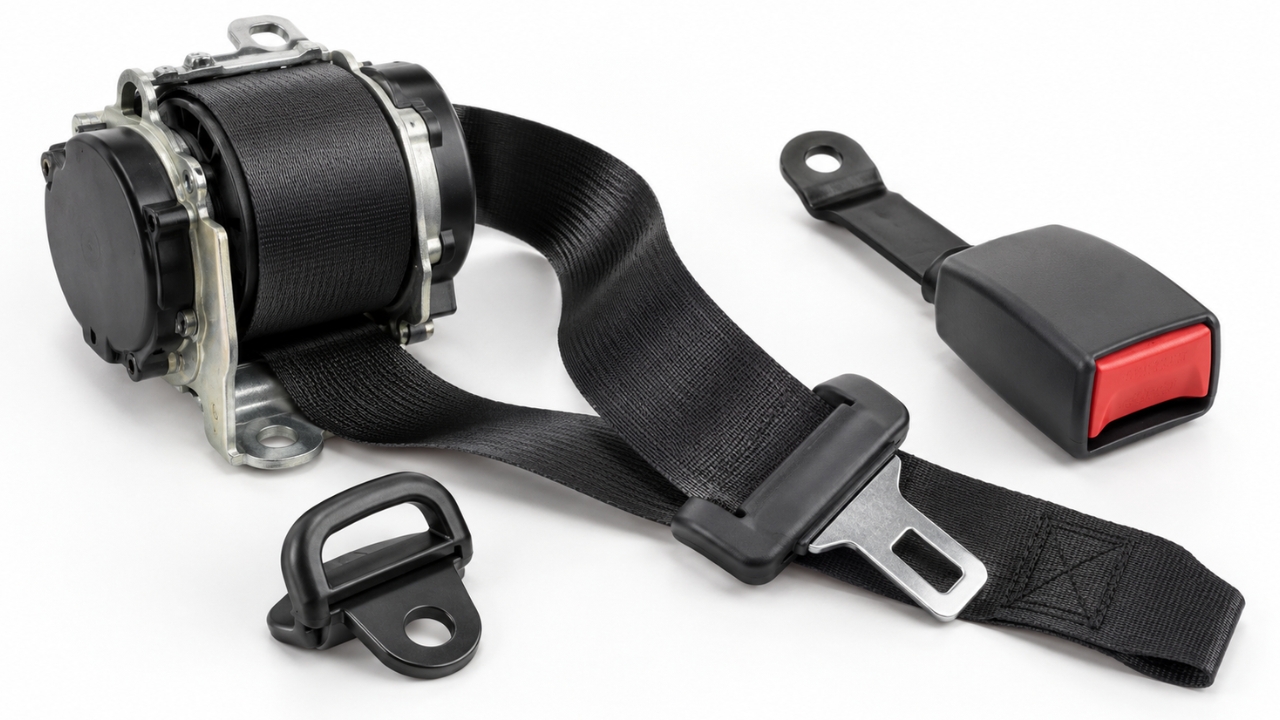
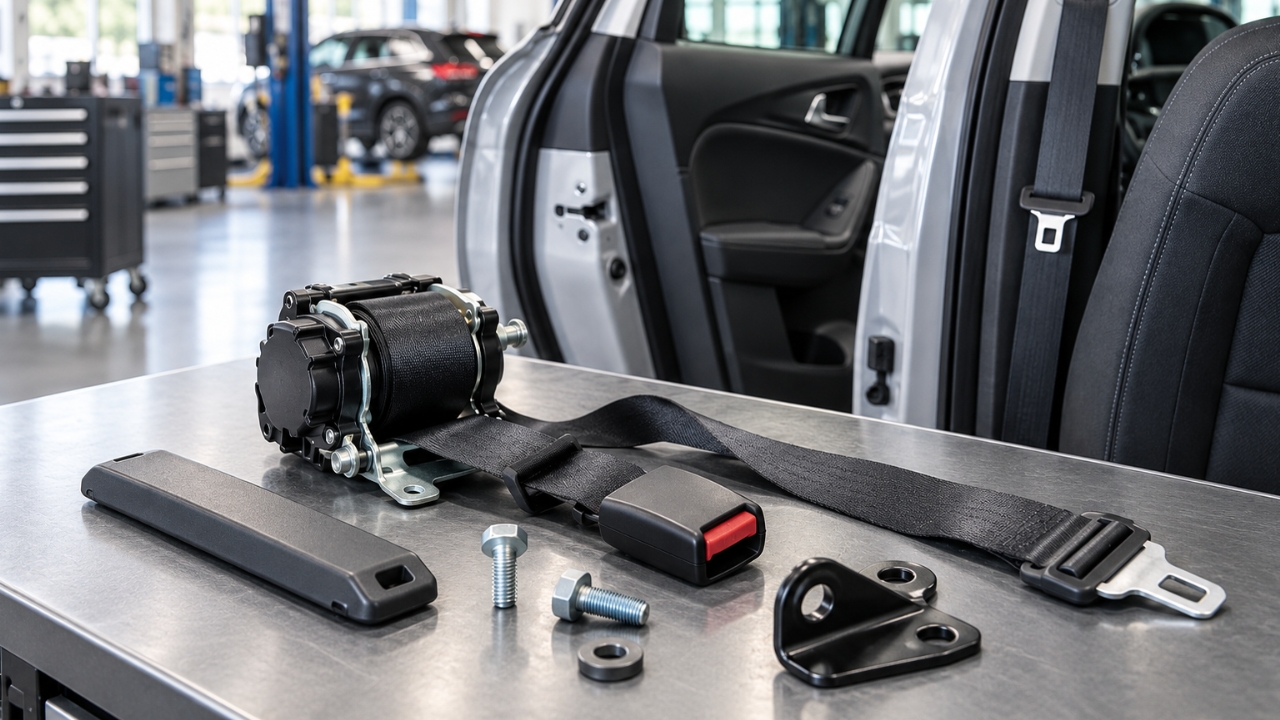
Problems with anchors, brackets, bolts, or other mounting hardware can cause the seat belt to become loose, misaligned, or improperly secured. If the damage is limited to a replaceable mounting component, replacing the affected hardware may resolve the problem.
However, damage to the vehicle or equipment mounting structure requires further assessment before reinstalling the seat belt. After the repair, the mounting points and belt routing should be checked to ensure the assembly is securely installed.
 Seat Belt Post-Repair Testing
After the repair, you need to test the seat belt to confirm that the repaired components work correctly and that the assembly is properly installed. The exact checks may vary depending on the belt design and the components involved.
Check Webbing Extension and Retraction
Pull the seat belt out and allow it to retract several times. The webbing should move smoothly without sticking, twisting, or retracting excessively slowly. If the webbing or retractor was serviced, this check is particularly important because incorrect webbing installation or routing can affect retraction performance.
Check the Locking Function
Test the retractor to make sure the belt locks during a sudden pull but does not lock prematurely during normal movement. If the retractor does not lock correctly, the repair should not be considered complete.
Check Buckle Operation
You should insert the latch plate into the buckle and confirm that it locks securely, then operate the release button to check that it releases normally. If the buckle does not latch, release, or operate smoothly, you need to resolve the problem before the vehicle or equipment goes back into operation, because the fault can prevent the seat belt from being used correctly.
Check Mounting and Belt Routing
You need to inspect the anchors, brackets, bolts, and other mounting components to make sure everything is securely installed. You should also check that the webbing follows the correct routing without twists, obstruction, or abnormal contact with surrounding components.
If you find loose mounting or incorrect routing, you need to correct it before considering the repair complete, as it can affect both belt movement and restraint performance.
Complete Additional Testing When Required
If the seat belt includes a pretensioner, SRS-related component, or other specialized mechanism, you need to follow the applicable manufacturer service requirements for any additional inspection or diagnostic checks.
You should not rely only on basic mechanical testing for these systems. Do not return the repaired assembly to service until the applicable manufacturer service procedures, inspections, and functional checks have been completed.
 How to Choose a Seat Belt Repair Supplier
When choosing a seat belt repair supplier, you should pay attention to several practical details before making a decision. Knowing what to check can help you find a supplier that fits your repair and project requirements.
Check Documentation and Traceability
You should check whether the supplier can provide clear repair and testing records, along with accurate part identification. Good traceability allows you to track what was repaired, identify the parts involved, and keep supporting records for quality control or project acceptance.
Consider Batch Consistency
If you need to process multiple seat belts, you should consider whether the supplier can keep the repair or replacement work consistent across the batch. Consistent parts, specifications, and processing requirements make it easier for you to manage repeated orders and reduce differences between individual units.
Clarify Service and Delivery Terms
Before placing an order, you should confirm the terms that may affect your project schedule and costs, including lead time, MOQ, shipping, packaging, and after-sales support. Clear terms allow you to plan the order more accurately and avoid unexpected delays or additional costs later.
FAQs
Can Seat Belt Repair Be Used for Aftermarket Replacement Projects?
Yes, seat belt repair can be used in some aftermarket replacement projects when the existing belt is repairable, and the repair is permitted for that specific assembly. This can be an option when restoring or reconditioning seat belts instead of replacing the complete assembly.
However, repair should only be considered when the belt remains suitable for continued use after the required inspection and testing.
What Information Should You Send for a Seat Belt Repair Quote?
When requesting a repair quotation, you should provide enough information for the supplier to identify the assembly and assess the work required. Useful details may include the vehicle or equipment model, seat position, part number, belt configuration, quantity, and clear photos when identification is difficult.
 Can Seat Belt Repair Be Handled in Bulk?
Yes, multiple seat belts can be handled in one repair project when the assemblies, repair requirements, and replacement parts can be clearly identified. For bulk repairs, you should provide the quantity, part information, vehicle or equipment models, and the type of repair required. It is also useful to confirm batch consistency, lead time, and testing requirements before the repair begins.
Does Seat Belt Repair Require Original Parts?
You should not assume that any visually similar component is suitable for a repair. The replacement part or material needs to match the requirements of the specific seat belt assembly and application. For B2B projects, confirming part identification before ordering can reduce compatibility problems and rework.
How Should You Manage Repeated Seat Belt Repairs?
If the same type of seat belt requires repeated repairs, you should record the affected part, fault type, repair method, and repair result. This information can help you identify recurring problems, standardize future repair decisions, and improve maintenance planning across multiple vehicles or projects.
Final Thoughts
BXSeatBelts supports seat belt repair and replacement needs for vehicle production, aftermarket, fleet, and modification projects. Share your seat belt model, part information, quantity, and repair requirements to discuss a suitable solution for your project.