


Pregnancy seat belt adjusters come in many designs, while vehicle seats vary widely in structure. Different installation methods and material specifications can make product selection more difficult. This guide covers the main types and specifications to help you choose a suitable adjuster for your project.
What Is a Pregnancy Seat Belt Adjuster
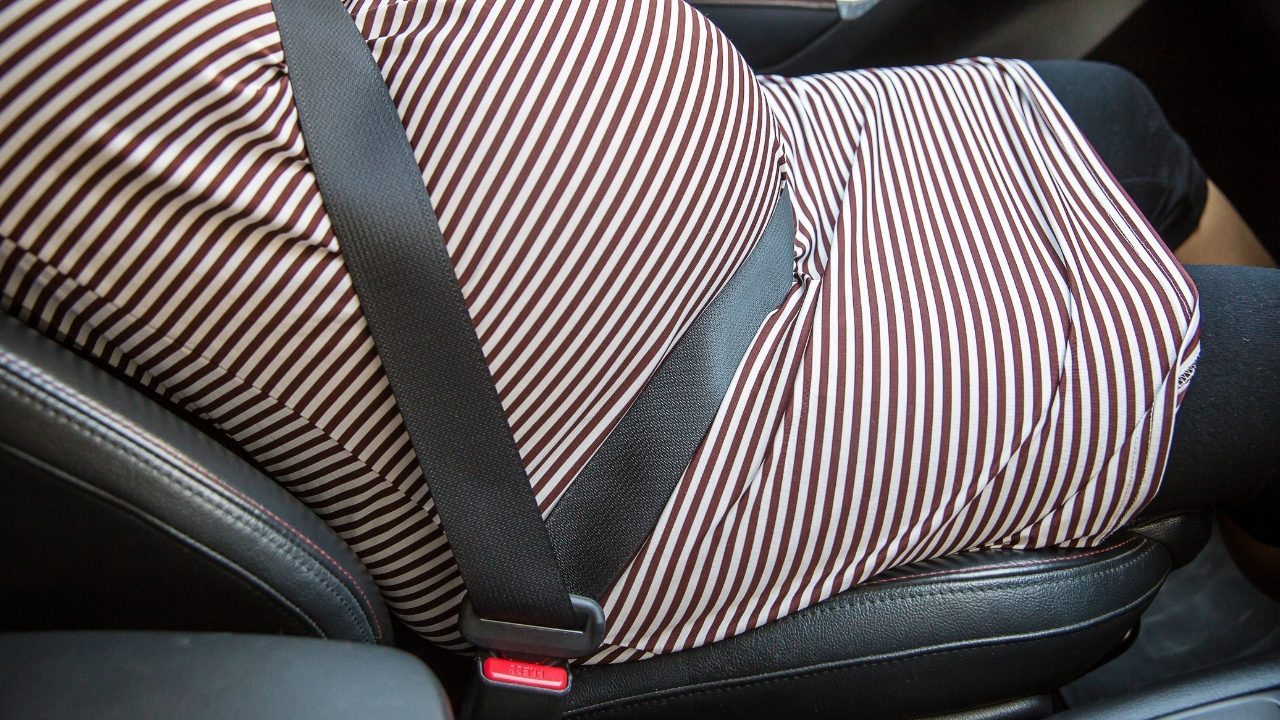
A pregnancy seat belt adjuster is an accessory used with the vehicle’s original three-point seat belt. It is designed to help position the lap belt lower on the body during pregnancy. The original vehicle seat belt should still be worn correctly, with the lap belt low across the
hips and below the abdomen.
The adjuster does not replace the seat belt buckle, retractor, or locking mechanism. Instead, it works as an additional positioning component while you continue to fasten and use the original seat belt normally.
 How Does a Pregnancy Seat Belt Adjuster Work
A pregnancy seat belt adjuster works by changing the path of the lap belt. The lap portion passes through the adjuster’s hook, loop, or guide. The design is intended to help position the lap belt lower across the hips and upper thighs. The adjuster itself is secured to the seat with a strap or other attachment structure, depending on the design.
Common Types and Designs
Pregnancy seat belt adjusters come in several designs, including adjustable, cushion-based, universal, and custom types. Each design uses a different structure to position the lap belt and fit around the seat.
Adjustable Pregnancy Seat Belt
An adjustable strap-based adjuster uses webbing to secure the product and control the position of the lap belt. The strap can be adjusted to change the positioning point, making the design suitable for applications where the installation position needs to be adjusted. This gives you more flexibility when a project involves different seat shapes or installation positions.
2-in-1 / Cushion-Based Type
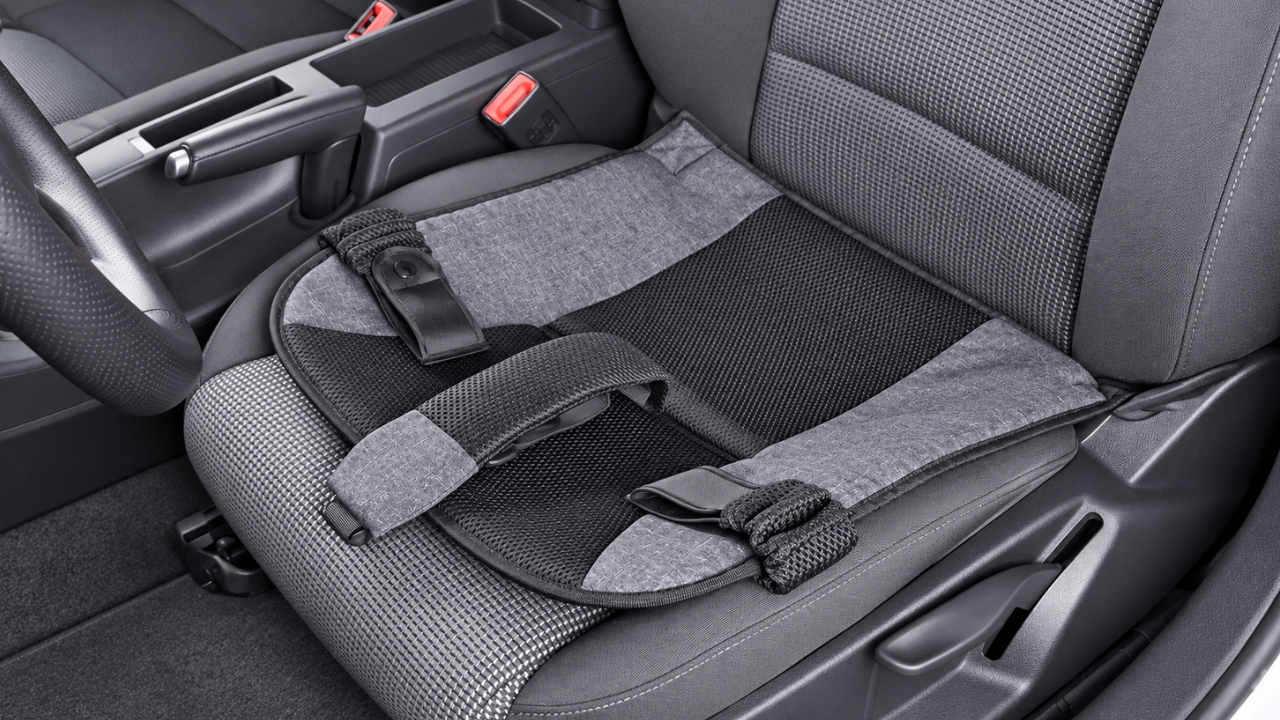
A 2-in-1 design combines a cushion or padded base with a belt-positioning structure. The cushion provides a larger contact area with the seat, while the strap or guide controls the lap belt position.
Some designs combine a padded or cushioned base with a belt-positioning structure. The actual placement and attachment method should follow the product-specific instructions and should not interfere with the original seat belt system.
Universal Type
A universal pregnancy seat belt adjuster is designed to work with a range of vehicle seats rather than one specific seat configuration. This type gives you broader application coverage, but the actual fit still depends on the seat structure, belt routing, and available installation space.
Custom Type
Custom pregnancy seat belt adjusters can be developed around specific project requirements. Depending on the product design, you can customize details such as strap length, material, color, anchorage point, or logo to match a particular application or private-label program.
 Pregnancy Seat Belt Adjuster Specifications
Pregnancy seat belt adjusters come in different specifications depending on the design and application. These details vary between designs, so you can describe the product more clearly by looking at each part separately.
Webbing / Strap
The strap is usually specified by material, width, and length. Depending on the design, polyester or nylon may be used. Polyester is commonly used, with some designs using nylon.
Depending on the design, the strap may be around 45–55 mm wide, while the total length can be around 150–185 cm for adjustable designs. You can also specify the strap thickness when the product requires a particular webbing construction.
Hook / Belt Guide
The hook or belt guide is mainly described by its material, opening width, and overall size. The opening is usually sized around the width of the vehicle seat belt webbing, while the shape can be a hook, slot, or enclosed guide. You may also see the guide length and width listed as part of the product dimensions.
Buckle
Buckle specifications usually include the material, size, and compatible strap width. ABS and polyamide are common plastic options. For some buckle designs, the opening or connector size is also specified in millimeters.
Cushion / Base
For a cushion-based adjuster, common specifications include the cushion material, width, length, and thickness. A soft cushion may use foam and fabric, while a rigid base can use molded plastic. You can use the thickness in millimeters to describe how thick the cushion or base is, while the length and width show its overall size.
Product Dimensions
Overall dimensions are usually listed as length × width × thickness. For example, a cushion-style adjuster may be listed at around 39 × 26 × 0.5 cm, while a compact guide-based design can have a much smaller main body. Weight may also be listed for products with a larger cushion or rigid base.
 How to Choose a Pregnancy Seat Belt Adjuster
When choosing a pregnancy seat belt adjuster, start with the actual application and seat configuration. The design should suit the intended use and remain consistent throughout production.
Define the Application First
Start with where the adjuster will be used and what type of seat it needs to fit. A universal product may suit a wider range of applications, while a custom design is more suitable when the seat structure or project requirements are already defined.
Verify Fit With the Actual Seat and Belt System
Check the seat structure, belt routing, attachment point, available space, and the way the device interacts with the original three-point belt. The product should not interfere with normal belt locking, retraction, buckling, or routing. Use a sample to check the actual configuration before larger production quantities.
Check Consistency for Batch Production
Once the design is finalized, consistency becomes important across the whole batch. Strap length, webbing width, component dimensions, materials, and assembly details should stay within the agreed specifications. You can use a confirmed sample and specification sheet as the production reference, so later batches follow the same design instead of relying on visual matching alone.
FAQs
What Should Be Included With a Pregnancy Seat Belt Adjuster?
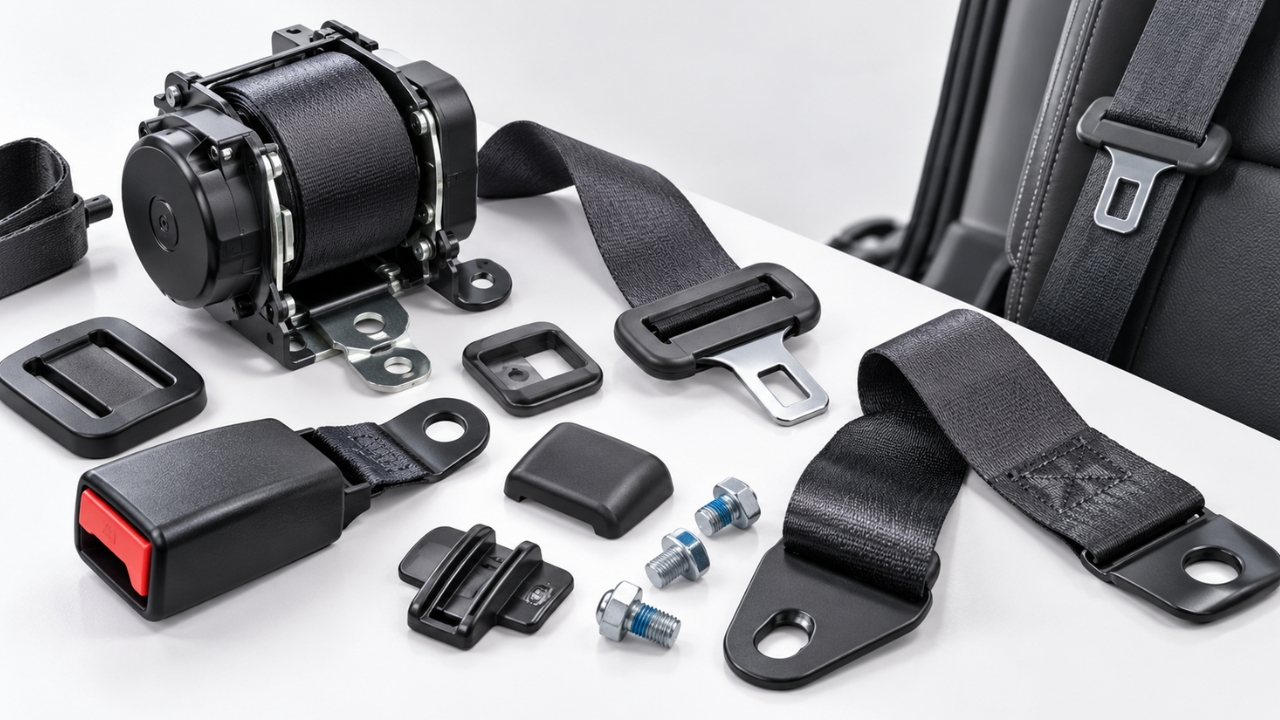
A pregnancy seat belt adjuster usually comes with the adjuster itself and, depending on the design, a user or installation guide. Some products may also include additional straps, buckles, or other parts needed for installation.
Are Test Reports Available for Pregnancy Seat Belt Adjusters?
Some suppliers offer test reports for specific models, covering areas such as webbing strength, material properties, or component performance. When reviewing a report, check the tested model, test items, test date, and issuing laboratory. A test report for one product should not be treated as certification or approval for every pregnancy seat belt adjuster.
 How Should Pregnancy Seat Belt Adjusters Be Stored?
Store the adjuster in a clean, dry place away from direct sunlight, excessive heat, and moisture. Avoid placing heavy objects on it or storing it where the webbing, cushion, or plastic components may be compressed or damaged. For long-term storage, keep the product in its original packaging or a breathable protective bag.
Can Pregnancy Seat Belt Adjusters Be Used Throughout Pregnancy?
It depends on the specific product and its instructions. Some adjusters are designed for use throughout pregnancy, while others may have different usage limitations. For a specific product, check the manufacturer’s instructions and make sure the original seat belt can still be positioned correctly throughout pregnancy.
Final Thoughts
Looking for a pregnancy seat belt adjuster for an aftermarket, retrofit, or private-label project? BX Seat Belts offers different adjuster designs with customizable materials, dimensions, colors, anchorage points, and packaging. Share your application and target quantity to discuss a suitable configuration for your project.