



Passenger Vehicle Seat Belt Supply – Germany
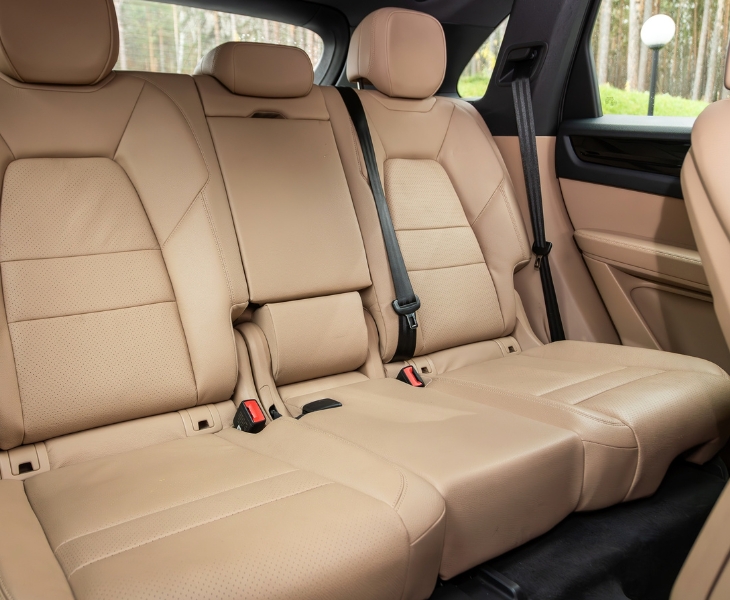
A European automotive parts supplier needed seat belts for a passenger vehicle program. The project required a 3-point seat belt system with reliable locking features, strong webbing, and a design that fits the vehicle’s interior.
BX supplied a 3-point seat belt configuration with matching buckles, retractors, and mounting components. The seat belts also have adjustable length and mounting details to fit the vehicle layout.
The supplied configuration matched the agreed vehicle fit requirements, with compatible buckles, retractors, and mounting components. Organized packaging helped the customer identify and check parts before assembly, simplifying storage and installation preparation.
Racing Harness Development – United States
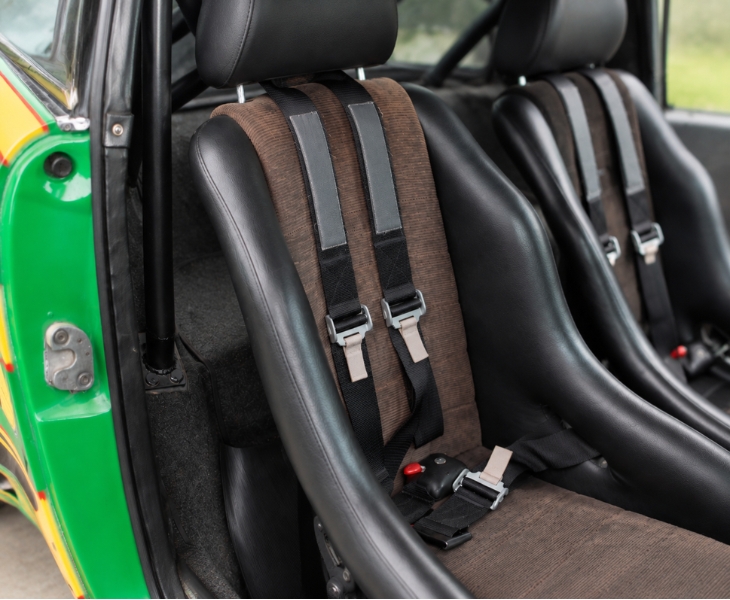
A motorsports equipment company needed multi-point harnesses for racing vehicles. Its main requirements included secure driver restraint, adjustable straps, strong stitching, and quick-release buckles. The customer requested configurations for various racing applications.
BX manufactured 4-point, 5-point, and 6-point harness options according to the customer’s technical requirements.
BX selected suitable webbing, customized shoulder and lap strap lengths, and matched each configuration with compatible adjusters and quick-release buckles. Anti-submarine straps were included in the 5-point and 6-point designs. Stitching patterns, attachment points, and custom colors were reviewed against the customer’s specifications, providing harness options tailored to different racing applications.
Commercial Bus Seat Belt Supply – Australia
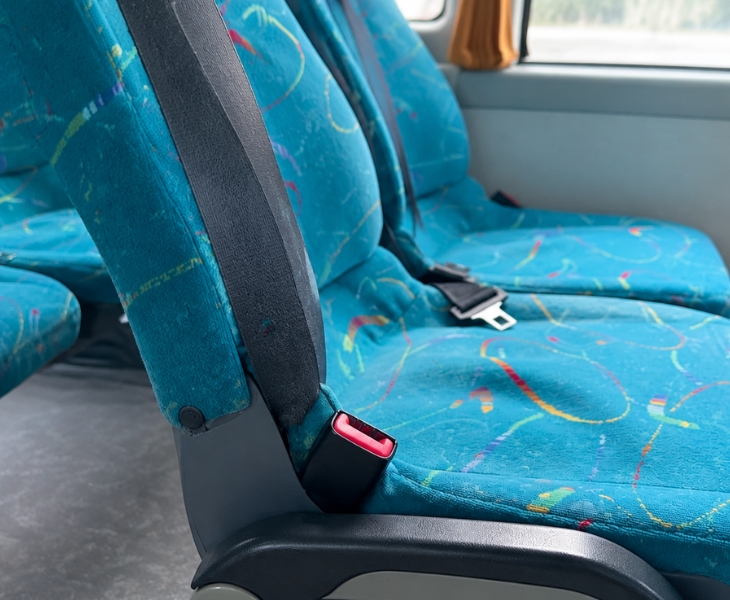
A commercial vehicle supplier needed seat belts for a fleet of passenger buses. The project required durable 2-point and 3-point seat belts options for different seating layouts. The customer also wanted clear product labels, consistent belt lengths, and packaging that will make installation easier.
BX reviewed the seating layouts and supplied 2-point lap belts and 3-point seat belts with matching buckles and mounting hardware. Belt lengths were specified for the different seat configurations.
Each belt model was packed separately and labeled with part numbers and product details. This helped the customer distinguish the configurations and organize the correct components for each seating layout before installation.
Industrial Forklift Seat Belt Replacement – Japan
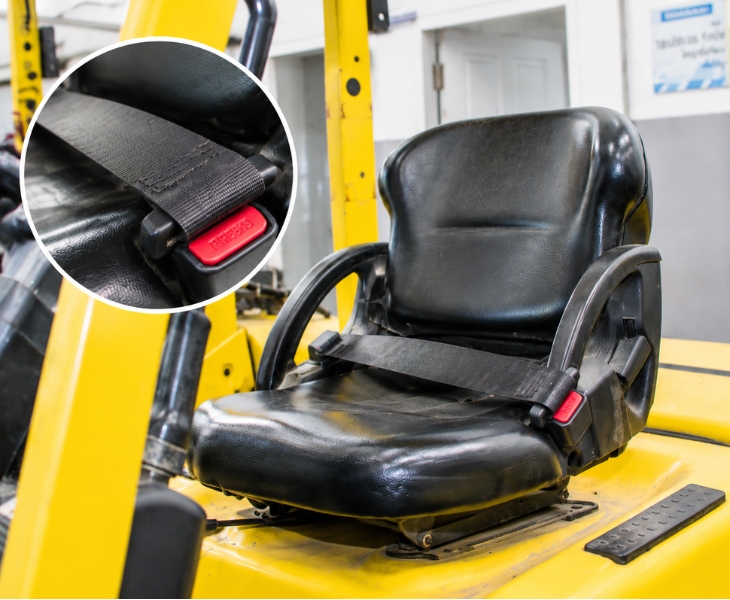
An industrial equipment supplier needed replacement seat belts for forklifts used in warehouses and factories. The existing belts had worn through regular use, and the replacements needed to fit the original mounting points and seat layouts.
BX reviewed belt lengths, webbing widths, buckle types, and release functions, then matched the mounting hardware to the existing seat designs.
Fit checks covered both the belts and related hardware. Replacement sets were packed by model number, helping the customer identify the correct parts for each forklift configuration.
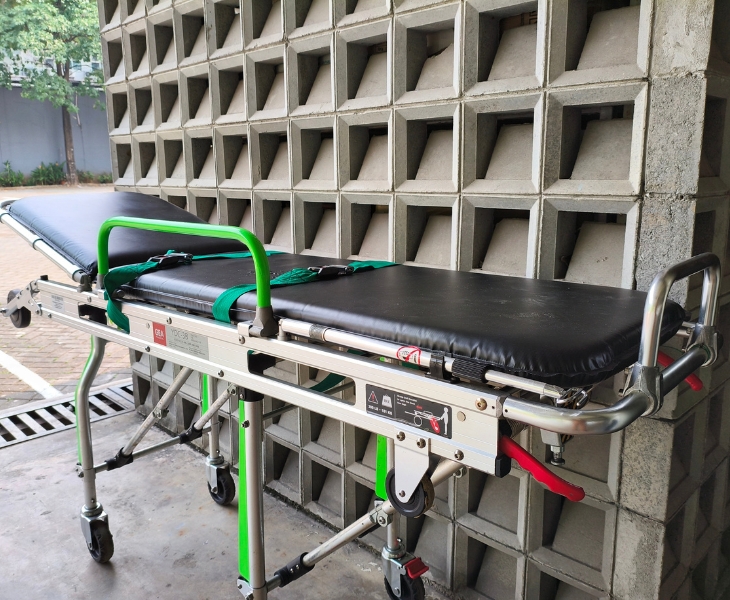
Ambulance Seat Belt Improvement – Japan
A Japanese customer specializing in ambulance seat belts needed to address three product issues: overly stiff webbing, label lettering that wore off, and insufficient buckle tensile strength.
BX worked with the customer to improve webbing flexibility, label durability, and buckle strength according to the project requirements.
The revised seat belts resolved the customer’s reported issues, providing more flexible webbing, more durable product identification, and buckles that met the agreed strength requirements.
Golf Cart Seat Belt Customization – United Arab Emirates
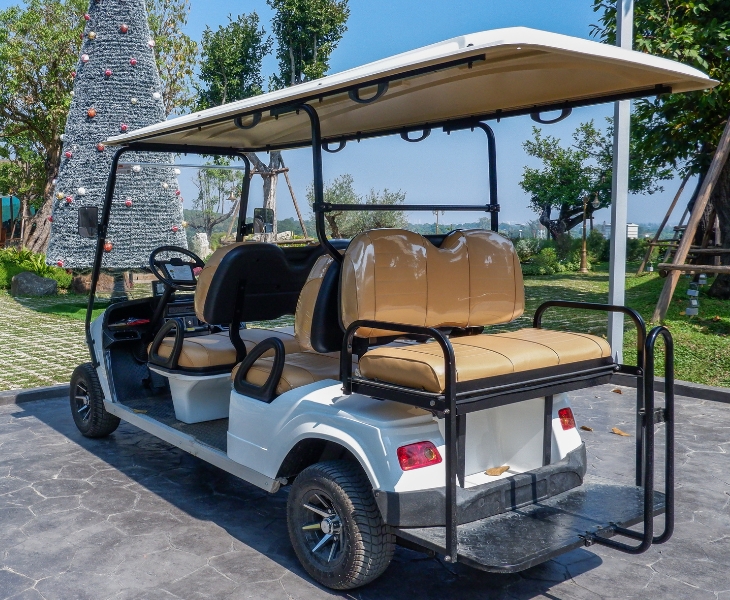
A golf cart distributor needed seat belts for several vehicle models used in resorts, golf courses, and private communities. The customer required straightforward installation, suitable belt lengths, and configurations compatible with different vehicle layouts.
BX prepared 2-point and 3-point seat belt options, with belt lengths, buckles, and mounting hardware matched to the selected models. This gave the distributor suitable configurations for different seating and installation requirements.
Custom labels helped identify each configuration, while individual packaging kept the sets organized for storage and distribution. These details made it easier to select and supply the correct seat belts for each vehicle model.