


When sourcing seat belt webbing, it can be difficult to tell how materials such as polyester and nylon differ. Understanding these differences makes it easier to match the webbing material to the application. This article helps your team prevent material errors and source the exact webbing required for your application.
What Are Seat Belts Made Of
The strap is one of the main components of a seat belt, and its webbing is primarily made from high-strength synthetic fibers. Polyester is widely used in modern automotive seat belts, while nylon is also used in certain applications.
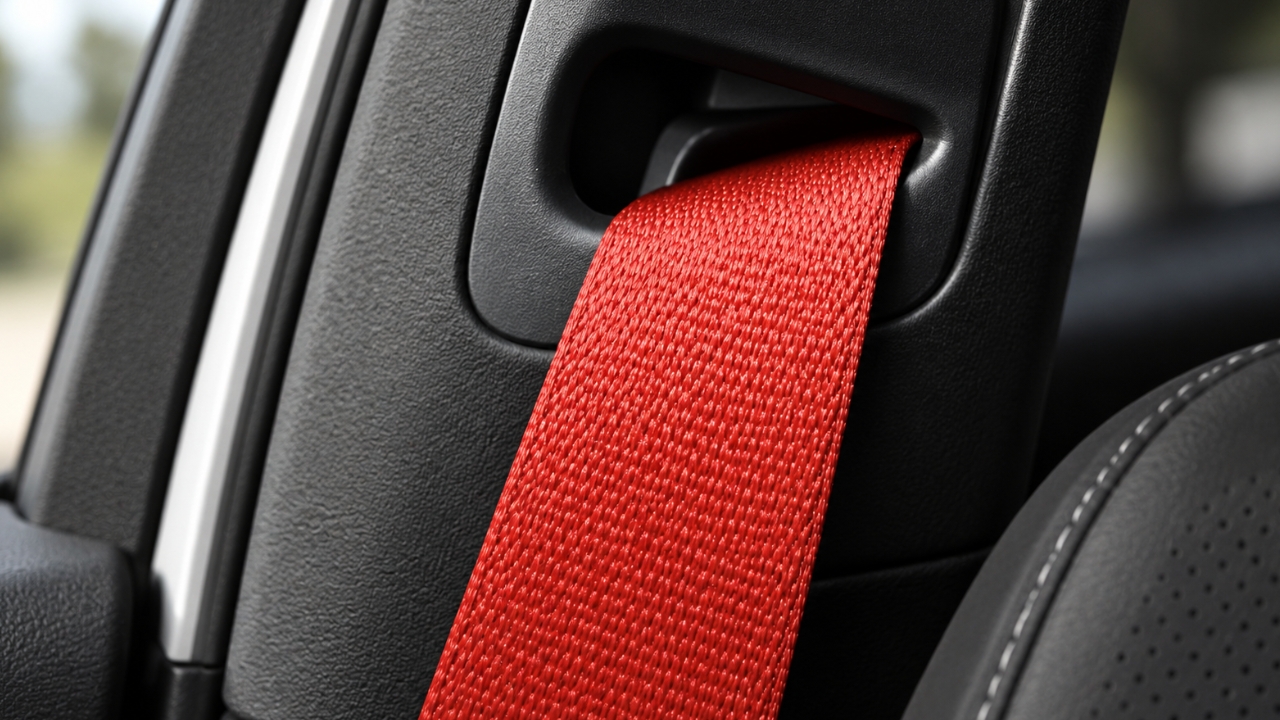 Seat Belt Strap Material
Polyester and nylon are the standard go-to materials, but they handle real-world stress very differently. A fiber that works for one vehicle might stretch too much—or wear down too fast—in another. Getting it right comes down to pairing the right material properties and dimensions directly with your system’s real operating demands.
Polyester Seat Belt Webbing
Polyester is the main material used for modern seat belt webbing. It combines high tensile strength with low stretch, good abrasion resistance, and strong resistance to UV exposure and weathering, making it suitable for long-term use in vehicle restraint systems.
Nylon Seat Belt Webbing
Nylon typically shows higher elongation at break compared with polyester, while elongation under specified test load shall be verified per applicable safety standards like FMVSS 209 or UN Regulation No. 16. Nylon was widely used in earlier seat belt systems and remains relevant for specific applications.
Other Seat Belt Webbing
Other fibers like polypropylene or aramid fibers, may appear in specialized applications, but they are not common choices for standard automotive seat belt webbing. This article focuses on the two materials most relevant to mainstream applications.
Polyester vs Nylon Seat Belt Webbing
Polyester and nylon differ mainly in stretch, moisture absorption, flexibility, and environmental resistance. Polyester has lower elongation and better resistance to moisture, UV exposure, and weathering, while nylon is more flexible and has higher elongation.
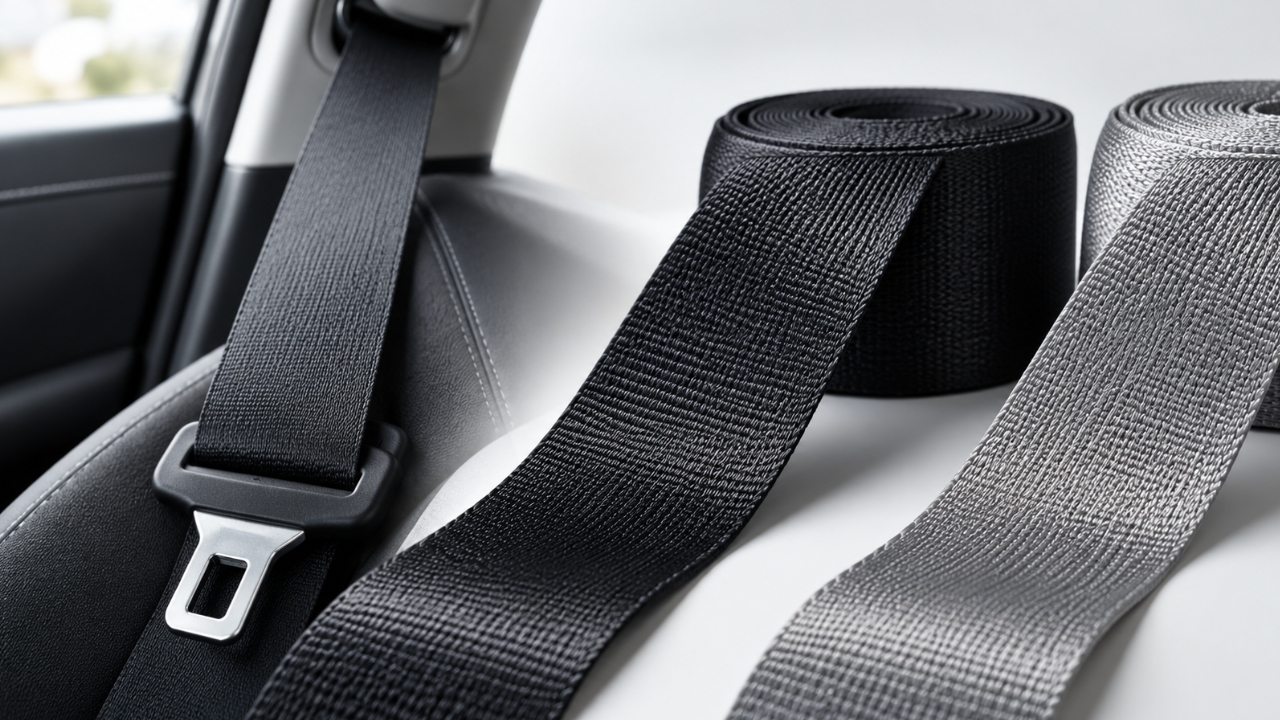 Quick Comparison
| Property | Polyester | Nylon |
| Tensile strength | High | High |
| Elongation | Lower, typically around 6–10% | Higher, typically around 15–30% |
| Moisture absorption | Low | Higher |
| UV resistance | Better | Lower |
| Flexibility | Moderate | Higher |
| Common automotive use | Very common | Less common |
Material Requirements for Seat Belt Webbing
Seat belt webbing is not specified by fiber type alone. Material specifications may also include yarn type, webbing width, thickness, tensile strength, and elongation. These requirements should be defined together when sourcing webbing for an OEM or replacement application.
For automotive applications, also confirm the applicable safety requirements and test records, such as FMVSS 209 in the U.S. or UN Regulation No. 16 in applicable markets. The specific requirements depend on the vehicle, restraint system, and target market.
How to Choose Seat Belt Strap Material
Choosing seat belt strap material starts with the application rather than the material alone. Vehicle type, restraint system design, operating environment, and compliance requirements all affect the final choice. The following points cover the key checks to make before sourcing or specifying seat belt webbing.
Start With the Application
Your sourcing process should begin by identifying the target vehicle or equipment, alongside your project type—whether OEM, replacement, or retrofit. Then define the required webbing dimensions, performance requirements, and material before contacting suppliers.
If your project involves an existing seat belt system, use your original webbing specification as the baseline. For a ground-up design, finalize these performance criteria in tandem with your restraint-system design team prior to requesting samples or quotations.
Evaluate Your Operating Environment
Check where the webbing will be used before selecting the material. For vehicles exposed to sunlight, rain, or high humidity, make UV and moisture resistance part of the material requirements when comparing suppliers. For enclosed vehicle interiors, these factors may be less critical, so greater attention can be given to the required elongation, flexibility, and system specifications.
In practice, define these conditions in the purchasing specification rather than treating them as general material preferences. This gives suppliers clear requirements to quote against and makes different webbing options easier to compare.
Keep the Original System Requirements
When replacing an existing seat belt strap, use the original material and system specification as the starting point. Do not switch from polyester to nylon simply because the new webbing has similar dimensions or appearance. Any material change should be checked against the retractor, buckle, and the performance requirements of the complete restraint assembly.
 FAQs
Can Polyester and Nylon Seat Belt Webbing Be Interchanged?
Not automatically. Polyester and nylon have different elongation, moisture absorption, and environmental resistance, so similar width or thickness does not mean they are interchangeable.
For replacement projects, any material change should be checked against the original webbing specification and the requirements of the complete restraint system. Also note that restraint assembly certifications (E-mark, FMVSS 209) are tied to the original webbing material. Swapping fiber types will invalidate the existing assembly certification.
Does Seat Belt Webbing Material Affect Its Color and Appearance?
Yes. The fiber used for seat belt webbing can affect how well the material accepts and retains color. Polyester is commonly used for colored automotive webbing because it can be solution-dyed or dyed during production to achieve consistent colors.
How Often Should Seat Belt Webbing Be Replaced?
There is no fixed service life for all seat belt webbing. Replacement depends mainly on the webbing’s condition and the vehicle manufacturer’s service requirements. Webbing should be replaced when it has cuts, severe fraying, melted areas, heavy contamination, or other damage that affects the strap.
While global standards do not mandate a universal fixed service life for seat belt webbing, many vehicle OEMs recommend full restraint assembly replacement after 10 years of service. Aerospace and amusement equipment apply defined service life rules.
What Causes Seat Belt Webbing to Fray?
Seat belt webbing can fray when its fibers are repeatedly rubbed against buckles, guides, trim panels, or other hardware. Dirt and debris can increase abrasion, while sharp edges, improper installation, and chemical exposure may also damage the fibers.
Does Seat Belt Webbing Need Special Cleaning or Maintenance?
Seat belt webbing does not usually require special maintenance, but it should be cleaned with mild soap and water when necessary. Avoid bleach, strong solvents, harsh chemicals, and abrasive cleaning methods, as they may damage the fibers or affect the webbing surface. After cleaning, allow the webbing to dry naturally and check for fraying, cuts, or other visible damage before continued use.
What Should Be Checked When Sourcing Seat Belt Webbing From a Supplier?
Check the webbing material, specifications, test records, and production consistency before placing an order. The supplier should be able to provide clear information on the fiber type, webbing construction, dimensions, and applicable test results.
For replacement or OEM projects, also confirm that the supplied material matches the required seat belt system specifications and can be maintained consistently across production batches.
Final Thoughts
Need reliable seat belt webbing for an automotive or specialty vehicle application? BX Seat Belts offers seat belt webbing and restraint solutions with material options, custom specifications, and OEM support. Contact our team to discuss the right webbing solution, request samples, or get a quotation for your project.